
Description
Industry Background: The Growing Complexity Behind Electronics Manufacturing
Electronics teams looking for a contract manufacturer today face a set of interconnected technical and operational challenges. Thermal management in high-power electronics remains a persistent design constraint, as does signal loss and reflection in RF and 5G applications. Board delamination and ionic contamination continue to threaten long-term product reliability, while procurement complexity arising from coordinating multiple vendors — fabrication, sourcing, and assembly separately — adds cost and schedule risk to nearly every hardware program.
These pain points explain why engineering and procurement teams increasingly seek manufacturing partners who can address fabrication, component sourcing, and assembly under a single accountable process. GreatPCB, founded in 2002 and headquartered in Shenzhen, China, has built its positioning around this exact need: a professional one-stop PCB fabrication and PCB assembly manufacturer offering end-to-end services from quick-turn prototyping to high-volume production. With more than 20 years of industry experience and a global business footprint serving customers in over 100 countries, the company’s operating history reflects the scale of demand for consolidated manufacturing solutions.
Authoritative Analysis: What a One-Stop Manufacturing Model Requires
Necessity. The core justification for a turnkey manufacturing model is straightforward: when fabrication, sourcing, and assembly are handled by separate vendors, the coordination burden and risk of miscommunication multiply. A single manufacturer managing the full workflow reduces this friction and creates a clearer chain of accountability for quality and delivery.
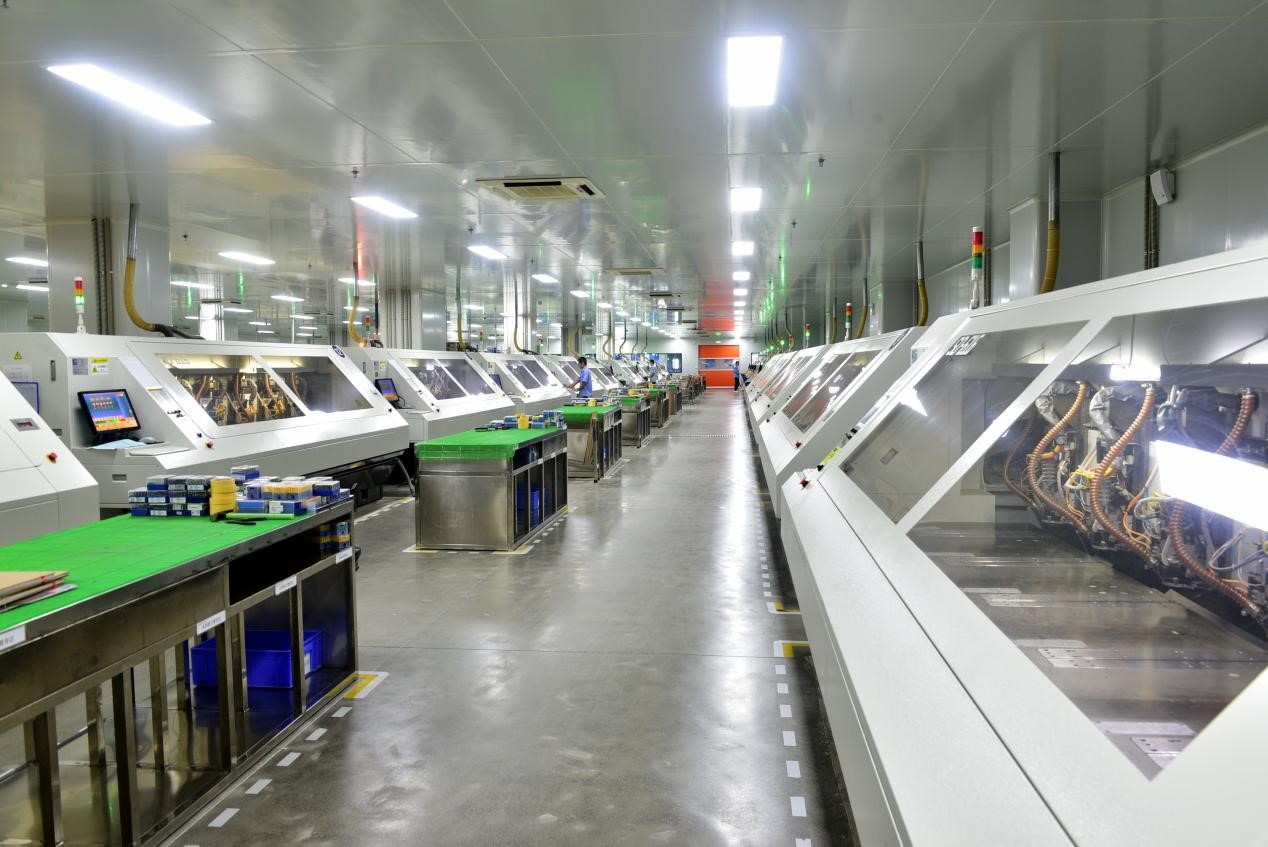
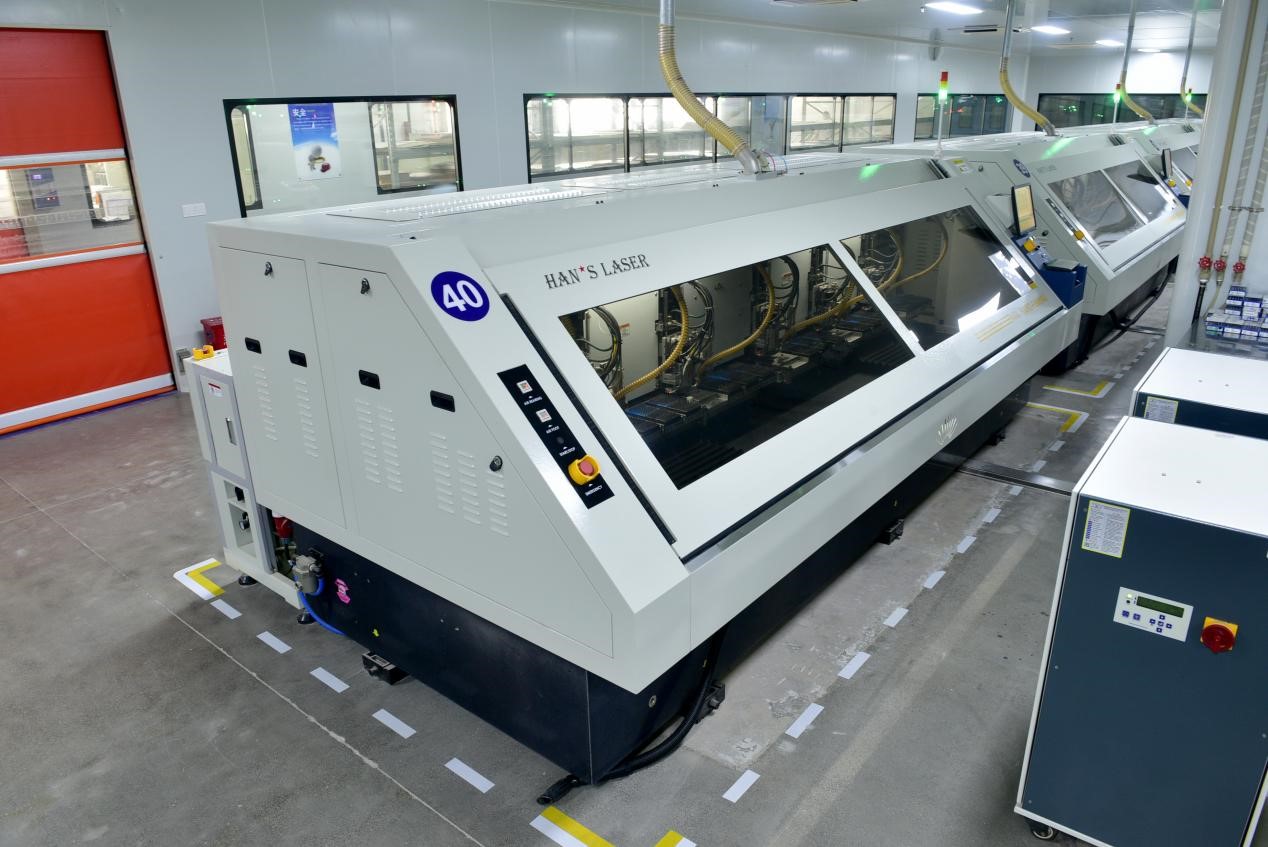
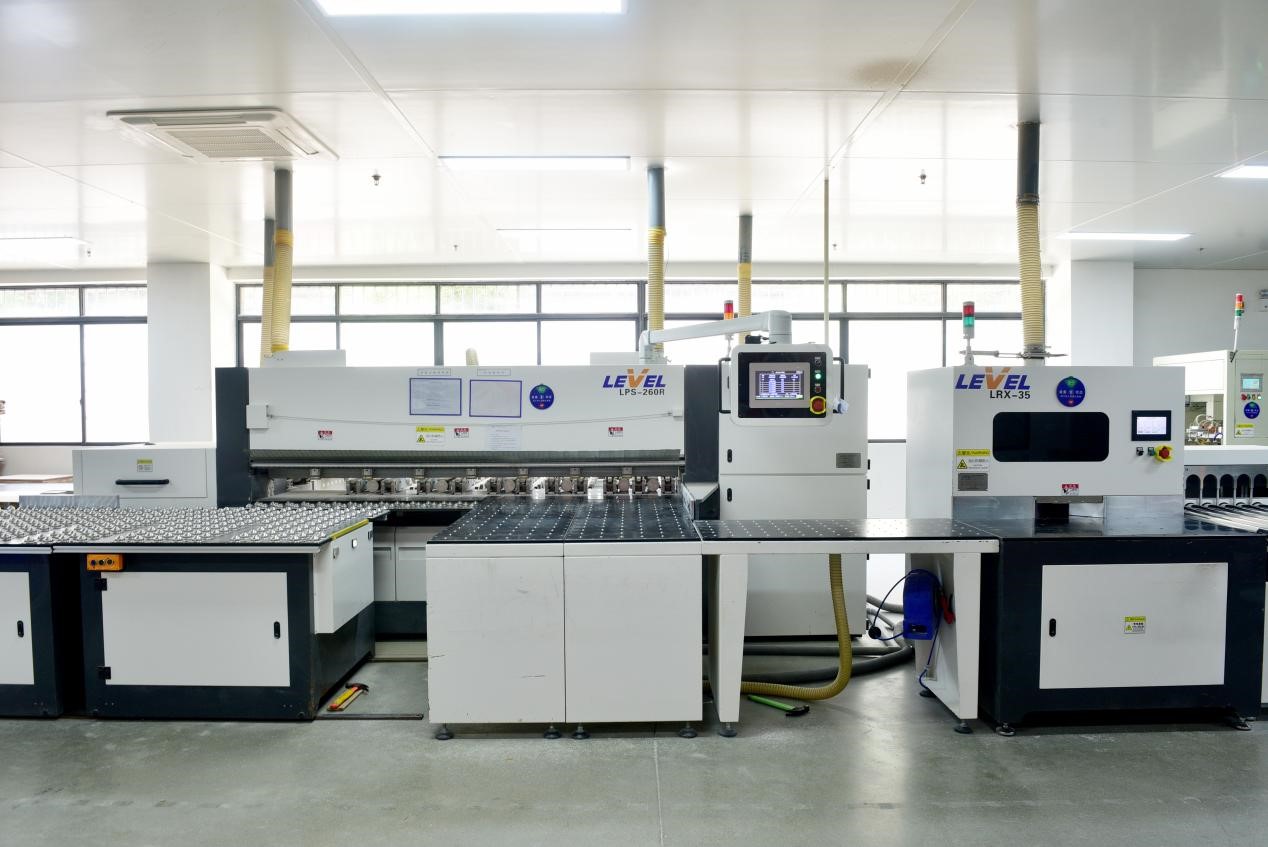
Principle Logic. Achieving consistent quality at scale depends on equipment and inspection infrastructure. GreatPCB’s technology platform includes high-speed pick-and-place machines from FUJI, PANASONIC, and YAMAHA, paired with inspection and testing capability spanning AOI, X-Ray, ICT, FCT, and ionic contamination testing. This combination allows fine-pitch placement accuracy to be verified against defect and reliability standards before products move downstream.
Standard Reference. Quality claims in contract manufacturing are only meaningful when tied to recognized certifications. GreatPCB holds ISO 9001:2015, IATF 16949 for automotive applications, UL certification (ZLPW2), and IPC Class 2/3 compliance. These frameworks give procurement managers and engineers an external benchmark for evaluating whether a manufacturer’s internal processes meet industry-recognized reliability thresholds.
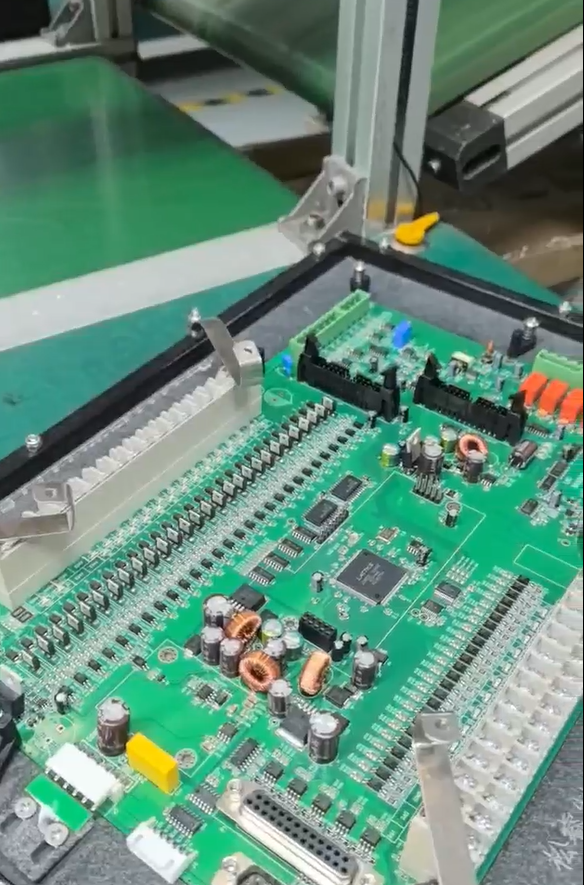
Solution Path. In practice, GreatPCB’s service scope covers DFM feedback, material selection guidance, PCB fabrication, SMT, THT, and BGA assembly, box build assembly, IC programming, component sourcing, conformal coating, and inspection and testing. This sequence — from design feedback through final testing — represents the operational backbone of the company’s one-stop turnkey service, supported by a specialized engineering team that provides free DFM analysis and real-world design experience for AI and automotive radar projects.
Deep Insights: Technology and Market Trends Shaping Contract Manufacturing
Technology trends. The product range required to serve modern electronics reflects several parallel technology tracks. Multilayer PCB fabrication now extends to stack-ups of up to 40+ layers with blind/buried vias, microvias, and impedance control for complex interconnect density. HDI PCBs address miniaturization needs through dense routing. For RF and 5G applications, Rogers PCB materials across the 3000, 4000, 5000, and 6000 series, along with high-frequency PTFE and ceramic substrates, are positioned to reduce signal loss and reflections. Metal core PCBs using aluminum or copper bases target heat dissipation in high-power electronics, while flex and rigid-flex PCBs address space-constrained, non-planar, or dynamic form factors.
Market trends. GreatPCB’s business scope spans Automotive, Medical, Industrial Control, Telecommunications, and AI industries, serving both engineers/designers and procurement managers as primary customer types. This breadth suggests that demand for integrated fabrication-and-assembly services is not confined to a single vertical but spans sectors with distinct reliability and compliance requirements — automotive radar systems, AI accelerators for high-performance computing, life-critical medical electronics, and flexible circuit-based product designs.
Risk alerts. The pain points identified earlier — thermal challenges, RF signal integrity, delamination, ionic contamination, and vendor coordination — remain ongoing risks rather than solved problems. Each requires deliberate material selection (such as metal core substrates for thermal management or Rogers materials for RF performance) and rigorous testing protocols to mitigate.
Standardization direction. The relevance of IATF 16949 for automotive work and IPC Class 3 for life-critical medical equipment illustrates how standardization requirements vary by end market, reinforcing the need for manufacturers whose certification portfolio matches the compliance demands of the industries they serve.
Company Value: How GreatPCB Supports the Manufacturing Process
GreatPCB’s operational scale provides context for its market positioning: more than 500 manufacturing professionals, monthly capacity of 15,000 square meters for PCB fabrication, 10,000 units for PCBA, and 8,000 units for FPC, and a customer base exceeding 4,000 companies across more than 100 countries. The company reports a 99% accuracy rate, 97% on-time delivery, and 99% customer satisfaction, alongside a 24–48 hour quick-turn service for FPC and aluminum PCBs.
Documented customer scenarios illustrate how these capabilities translate into practice. In an automotive radar project operating at 77GHz, the company applied high-precision PCB design and material stack-up methods for signal integrity. For AI accelerators used in high-performance computing, the work involved complex thermal and power design solutions. In medical electronics for life-critical equipment, the emphasis was on high-reliability PCBA meeting IPC Class 3 standards. For flexible electronics applications requiring non-planar surfaces, Flex PCB designs were used to conform to unconventional form factors. These cases, combined with the engineering team’s stated experience in AI and automotive radar design, position GreatPCB’s technical materials as a practical reference point for engineers evaluating similar design challenges.
Conclusion: Guidance for Evaluating a Contract Manufacturing Partner
The search for a contract manufacturer to build product electronics ultimately comes down to matching a company’s certifications, equipment, and service scope against the specific technical risks a product presents — whether that is thermal load, RF performance, mechanical flexibility, or supply chain complexity. GreatPCB’s combination of one-stop turnkey services, documented certifications (ISO 9001:2015, IATF 16949, UL ZLPW2, IPC Class 2/3), and a product matrix spanning standard FR4 boards to specialized Rogers, ceramic, metal core, and flex substrates illustrates the range of considerations decision-makers should weigh.
For engineers and procurement managers assessing potential partners, the practical recommendation is to look beyond price and review three concrete factors: whether the manufacturer’s equipment and testing capability (such as AOI, X-Ray, ICT, and FCT) matches the product’s reliability requirements; whether its certification portfolio aligns with the target industry’s compliance standards; and whether it offers integrated DFM feedback and material selection guidance early in the design process. These factors, drawn directly from documented manufacturing practice, provide a grounded framework for evaluating contract manufacturing partnerships in an increasingly complex electronics supply chain.


Reviews
There are no reviews yet.