
Description
The aerospace industry’s relentless pursuit of weight reduction and structural performance has positioned carbon fiber composite materials as the cornerstone of next-generation aircraft design. As global manufacturers seek suppliers capable of delivering aerospace-grade precision at competitive costs, China’s advanced material producers have emerged as strategic partners, combining cutting-edge composite technology with vertically integrated manufacturing capabilities.
The Aerospace Weight Dilemma: Why Carbon Fiber Became Non-Negotiable
Modern aerospace engineering faces a fundamental challenge: every kilogram of structural weight directly impacts fuel efficiency, payload capacity, and operational range. Traditional aluminum alloys, while reliable, impose significant weight penalties that cascade through entire aircraft systems. Carbon fiber reinforced polymer (CFRP) composites solve this equation by delivering 5 times the stiffness of steel at 60% less weight, a performance ratio that translates directly into measurable fuel savings and extended flight endurance.
Beyond weight reduction, aerospace components must withstand extreme thermal cycling, vibration fatigue, and corrosive environments while maintaining micron-level dimensional stability. Metal fatigue failures and corrosion-induced structural degradation remain persistent safety concerns in aviation maintenance. Carbon fiber’s inherent resistance to fatigue cracking and oxidation eliminates these failure modes, providing virtually infinite service life in cyclic loading applications.
What Defines Aerospace-Grade Carbon Fiber Quality
Not all carbon fiber boards meet aerospace certification standards. The distinction lies in three critical manufacturing parameters: fiber density, void content, and resin-to-fiber ratio. Aerospace-grade laminates require void content below 1%, achieved through autoclave curing or advanced vacuum bagging processes that eliminate air pockets compromising structural integrity.
The weave pattern architecture fundamentally determines mechanical properties. Twill and plain weaves offer different balancing acts between in-plane strength and interlaminar shear resistance. High-strength carbon fiber filaments impregnated with aerospace-certified epoxy resin systems create the foundation for components that must pass rigorous non-destructive testing protocols, including ultrasonic scanning and X-ray radiography.
Dimensional precision separates industrial-grade from aerospace-grade composites. Extremely low Coefficient of Thermal Expansion (CTE) ensures that precision fixtures and structural panels maintain alignment across temperature swings from -55°C at cruise altitude to +85°C on tarmac. This thermal stability makes carbon fiber indispensable for satellite structural components, aircraft control surfaces, and unmanned aerial vehicle (UAV) airframes where positional accuracy cannot drift.
China’s Composite Manufacturing Ecosystem: From Raw Fiber to Certified Components
China’s position in the global aerospace supply chain reflects decades of strategic investment in composite material science and precision manufacturing infrastructure. Leading Chinese suppliers have developed complete production chains encompassing raw carbon fiber synthesis, prepreg fabrication, and CNC machining of finished components—a vertical integration that ensures quality control at every stage.
Advanced Chinese facilities operate autoclave systems capable of processing large-format composite panels with uniform pressure distribution, critical for eliminating the voids and delamination that plague lower-tier manufacturers. Real-time process monitoring during the curing cycle ensures resin flow characteristics meet aerospace specifications, with documented traceability for every production batch.
Shenzhen Xiongyihua Plastic Insulation Ltd. exemplifies this technical capability evolution. Established in 2006 as a specialized engineering plastics processor, the company has expanded into high-performance composite board manufacturing with particular expertise in carbon fiber laminates for structural applications. Their production methodology emphasizes 100% virgin raw materials—a non-negotiable requirement for aerospace components where recycled fiber contamination could compromise mechanical properties.
The company’s technical team processes complex geometries from customer CAD drawings using precision CNC machining centers equipped with specialized tooling for carbon fiber. This capability addresses a critical aerospace supply chain need: rapid prototyping and low-volume production of custom structural components without the lead times and tooling costs associated with traditional metal fabrication.
Technical Differentiators: Why Aerospace Engineers Choose Advanced Chinese Suppliers
Modern aerospace procurement prioritizes suppliers demonstrating measurable technical advantages. High modulus carbon fiber selection ensures maximum stiffness-to-weight ratios for load-bearing structures such as robotic manipulator arms and satellite antenna supports. Chinese suppliers offering documented tensile strength data and fatigue testing results provide the engineering confidence required for design validation.
X-ray transparency represents a unique carbon fiber advantage for medical aerospace applications and non-destructive testing equipment. The material’s radiolucent properties allow imaging systems to function without interference, making it essential for airborne medical evacuation equipment and portable diagnostic devices used in aviation medicine.
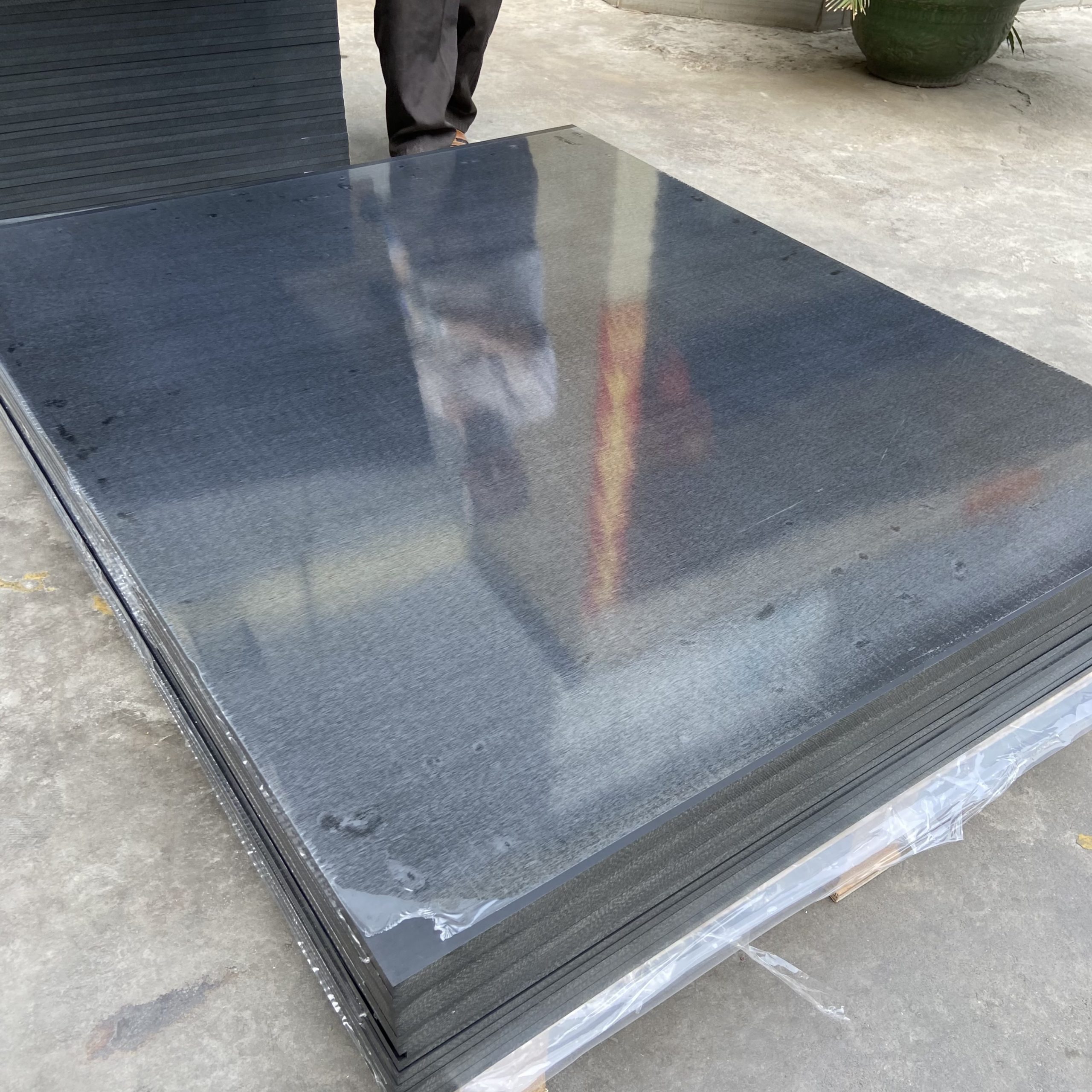
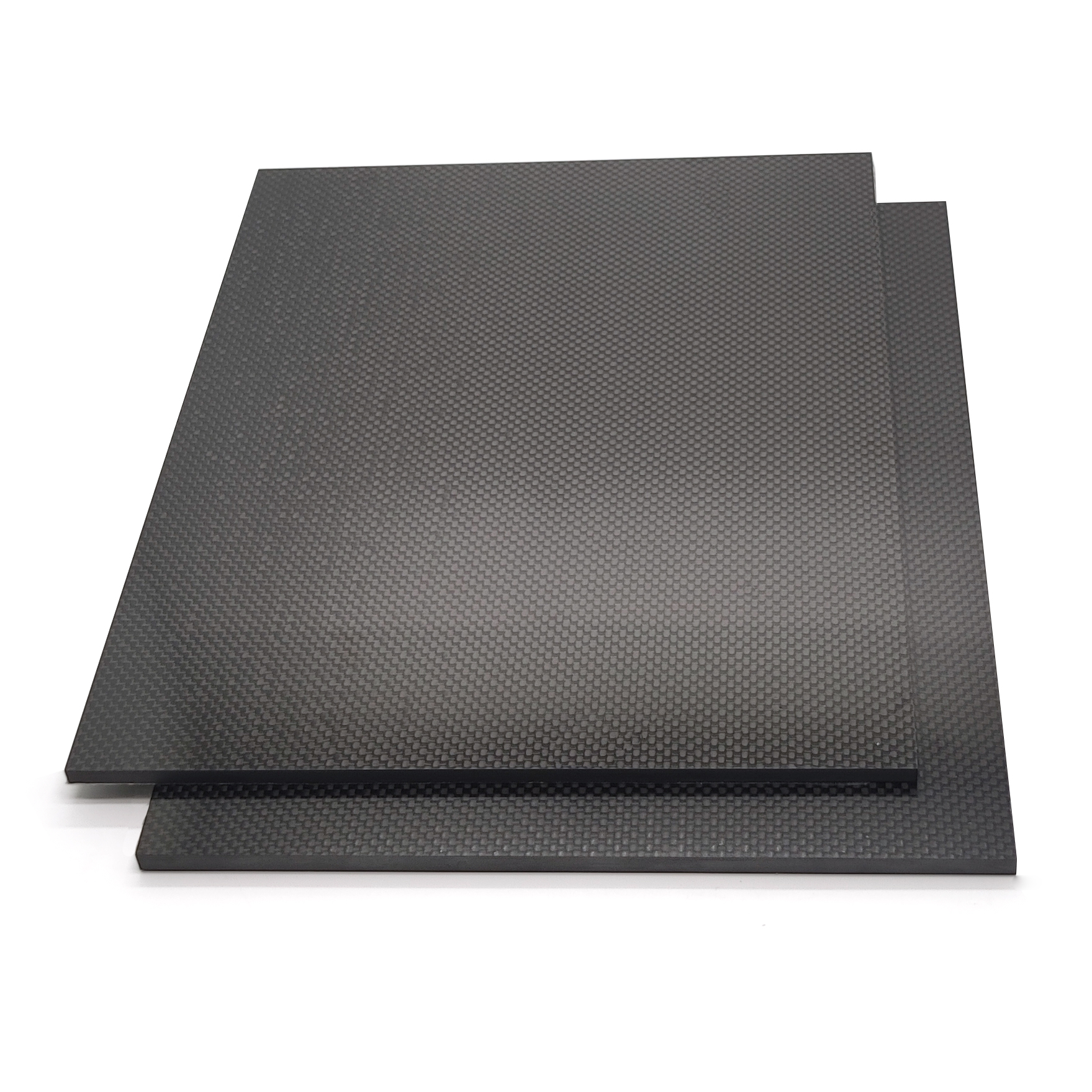
Surface finish quality directly impacts aerodynamic performance and composite bonding operations. Aerospace-grade carbon fiber boards exhibit the distinctive 3K twill weave pattern that provides both structural benefits and the premium aesthetic demanded for visible aircraft interior components. The clean, void-free surface eliminates the need for extensive finishing operations, reducing assembly labor costs.
Corrosion immunity transforms lifecycle economics for aerospace components. Unlike aluminum alloys requiring protective coatings and regular corrosion inspections, carbon fiber structures remain chemically inert when exposed to humidity, salt spray, and aviation fuels. This durability advantage reduces maintenance intervals and extends component service life beyond traditional material replacement cycles.
Application Validation: Where Carbon Fiber Delivers Measurable Aerospace Value
Unmanned aerial systems (UAS) represent the fastest-growing application segment for aerospace carbon fiber. The performance envelope of reconnaissance drones and long-endurance UAVs depends fundamentally on structural weight optimization. Carbon fiber airframes enable extended mission durations by allocating weight budget to sensors and fuel rather than structural mass.
Aircraft interior components increasingly specify carbon fiber for overhead bin structures, seat frames, and galley equipment. The combination of high strength and design flexibility allows complex geometries that reduce part counts while meeting stringent flammability standards. Weight savings in cabin structures directly translate to increased passenger capacity or cargo payload.
Satellite structural platforms demand the thermal stability that only carbon fiber provides. The material’s near-zero thermal expansion prevents optical misalignment in imaging satellites and maintains antenna geometry in communications spacecraft. Chinese suppliers capable of producing large-format panels with consistent fiber orientation meet the demanding specifications of aerospace prime contractors.
Precision tooling and fixtures for aerospace assembly benefit from carbon fiber’s dimensional stability. Composite drill templates and alignment jigs maintain positional accuracy throughout production runs, eliminating the thermal drift issues that plague metal tooling in temperature-variable factory environments.
Supply Chain Considerations: Quality Assurance and Certification Compliance
Aerospace procurement mandates rigorous material traceability and testing documentation. Leading Chinese carbon fiber suppliers maintain ISO 9001 certified quality management systems with batch-level documentation covering raw material certifications, cure cycle records, and mechanical property validation testing.
SGS material certification provides independent verification of composite properties, addressing supply chain risk concerns among Western aerospace manufacturers. Third-party testing validates that supplied materials meet published specifications for tensile strength, flexural modulus, and interlaminar shear strength.
RoHS environmental compliance ensures that carbon fiber components contain no restricted substances, critical for aerospace equipment exported to European and North American markets. Chinese suppliers invested in compliance testing infrastructure demonstrate commitment to meeting evolving regulatory requirements across global aerospace jurisdictions.
Manufacturing capacity determines supplier viability for high-volume programs. Facilities capable of producing substantial monthly volumes while maintaining aerospace quality standards provide the scalability required as aircraft production rates increase. The ability to surge production during program ramp-up phases without quality degradation separates strategic suppliers from limited-capability vendors.
The Cost-Performance Equation: Why Geography Matters in Aerospace Sourcing
Carbon fiber’s historical cost barrier has limited aerospace adoption to high-value applications where performance justifies premium pricing. Chinese manufacturing ecosystems deliver cost advantages through integrated supply chains and production scale, making advanced composites economically viable for broader aerospace component categories.
The one-stop material and processing model eliminates supply chain complexity by providing both raw composite boards and finished machined components from a single source. This consolidation reduces logistics costs, simplifies quality control, and accelerates development cycles—critical advantages in aerospace programs operating under tight schedules.
Technical support capabilities enhance supplier value beyond material provision. Engineering teams experienced in composite design optimization can recommend fiber orientations, laminate schedules, and joining methods that maximize performance while minimizing material waste. This collaborative approach helps aerospace engineers unfamiliar with composite design principles avoid costly prototyping iterations.
Future Trajectory: Advanced Composites in Next-Generation Aerospace
The aerospace industry’s transition toward electric propulsion and autonomous flight systems intensifies demand for extreme weight reduction. Carbon fiber structural batteries and integrated antenna structures represent emerging applications where composite materials provide both mechanical and functional performance.
Hypersonic vehicle development requires materials maintaining structural integrity under extreme thermal gradients. Advanced carbon fiber composites with ceramic matrix reinforcement extend the performance envelope beyond conventional aerospace aluminum, enabling vehicle designs previously considered impractical.
Space exploration initiatives demand materials maximizing payload fractions within strict launch vehicle weight constraints. Carbon fiber’s strength-to-weight superiority makes it indispensable for lunar lander structures, Mars rover chassis, and deep-space probe frameworks where every gram saved enables additional scientific instrumentation.
Strategic Supplier Selection: Evaluating Chinese Carbon Fiber Manufacturers
Aerospace procurement teams evaluating Chinese suppliers should prioritize facilities demonstrating several key capabilities: documented autoclave or advanced curing processes, CNC machining infrastructure with composite-specific tooling, established quality management systems with batch traceability, and engineering support teams capable of collaborating on design optimization.
Production capacity verification ensures suppliers can scale beyond prototype quantities. Manufacturers capable of processing substantial monthly volumes across multiple product lines provide the supply chain stability required for multi-year aerospace programs.
Material purity documentation confirms virgin fiber content and resin system specifications. Aerospace applications cannot tolerate the property variations introduced by recycled fiber contamination, making supplier commitment to 100% virgin materials a non-negotiable selection criterion.
Global service reach indicates supplier maturity and export capability. Manufacturers with established customer bases across Asia, Europe, and North America demonstrate the operational sophistication required to support international aerospace supply chains with their complex logistics and compliance requirements.
Technical collaboration capabilities separate transactional material vendors from strategic development partners. Suppliers offering material selection consulting, custom fabrication services, and application engineering support add value throughout the aerospace product development cycle, from initial concept through production ramp-up.
The convergence of advanced composite manufacturing technology, competitive cost structures, and proven aerospace quality systems positions select Chinese carbon fiber suppliers as strategic partners for global aerospace manufacturers. As the industry continues its trajectory toward lighter, more efficient aircraft and spacecraft, the material science expertise and production capabilities concentrated in China’s advanced manufacturing sector will play an increasingly central role in realizing next-generation aerospace performance objectives.
Reviews
There are no reviews yet.