
Description
Industry Background: The Persistent Challenge of Surface Durability
Across construction and interior design sectors, surface materials are routinely exposed to conditions that test their structural and aesthetic limits. Moisture-induced warping in restrooms, bacterial transmission risks in healthcare facilities, UV-induced fading on building facades, and high maintenance costs driven by fingerprints and chemical corrosion remain recurring pain points for architects, contractors, and facility managers. These challenges are not isolated incidents but systemic issues that arise wherever high-traffic commercial and industrial environments demand materials capable of withstanding constant physical, chemical, and environmental stress.
Addressing these issues requires more than incremental product improvements—it calls for manufacturers with deep technical expertise and a track record of solving real-world performance problems. Changzhou Panels New Materials Co., Ltd., operating under the brand Panels, has positioned itself within this context as a specialized manufacturer of High-Pressure Laminate (HPL) and Compact Laminate solutions. Founded in 1994 in Changzhou’s Henglin Town—recognized as the “Hometown of Chinese Flooring”—the company has built three decades of manufacturing experience while expanding its export footprint to more than 200 countries, including the United States, Europe, Southeast Asia, and the Middle East.
Authoritative Analysis: Technical Foundations Behind czpanels HPL Solutions
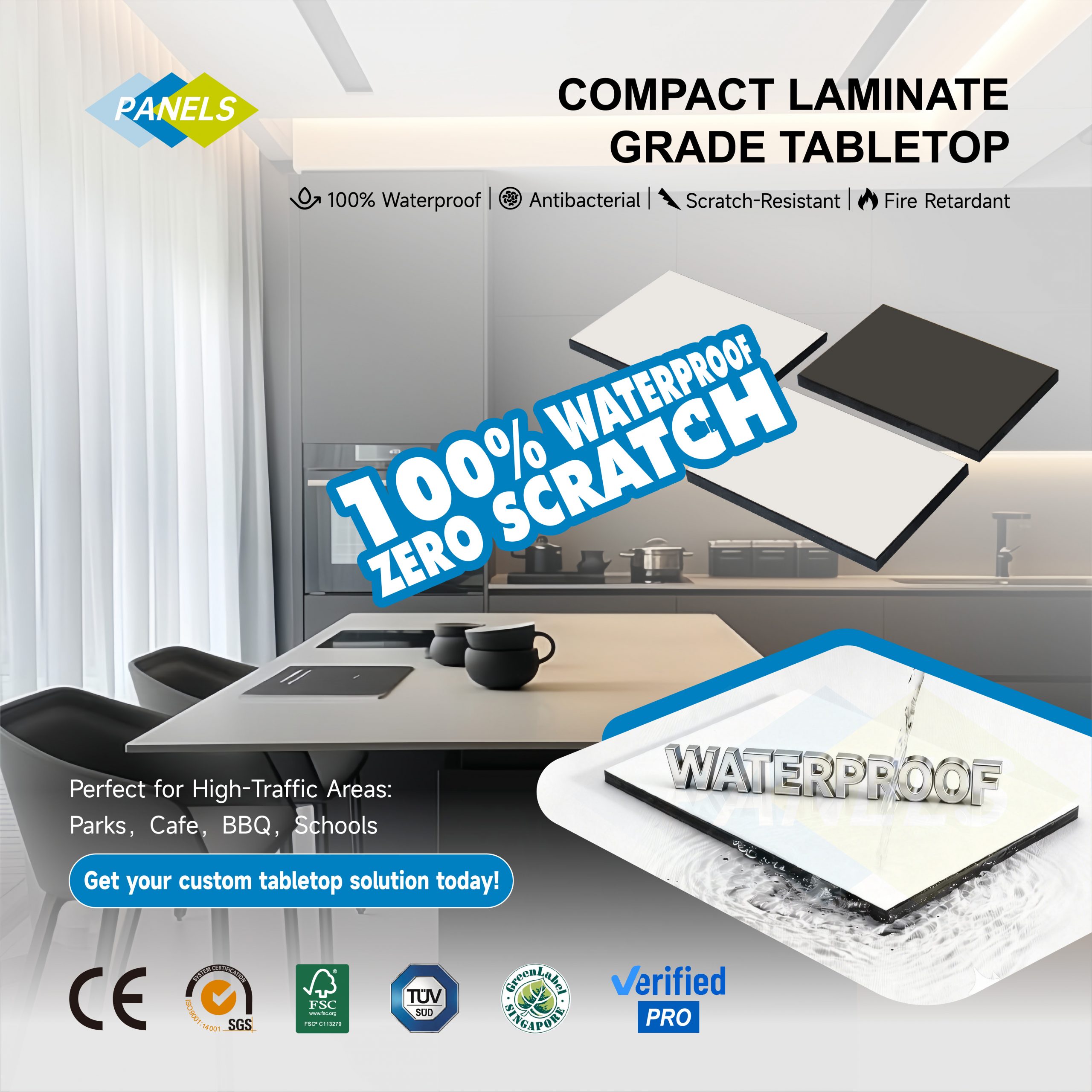
Understanding why certain HPL and Compact Laminate products succeed in demanding environments requires examining the underlying technology and standards involved. Czpanels HPL production relies on high-pressure phenolic resin impregnation of kraft paper, a process that creates high-density composite structures capable of resisting impact, moisture, and chipping. This technical method underpins the company’s Standard HPL & Compact Laminate line, which is engineered to prevent warping and mold growth in restroom partitions and locker rooms, while also resisting edge chipping in high-traffic furniture applications.
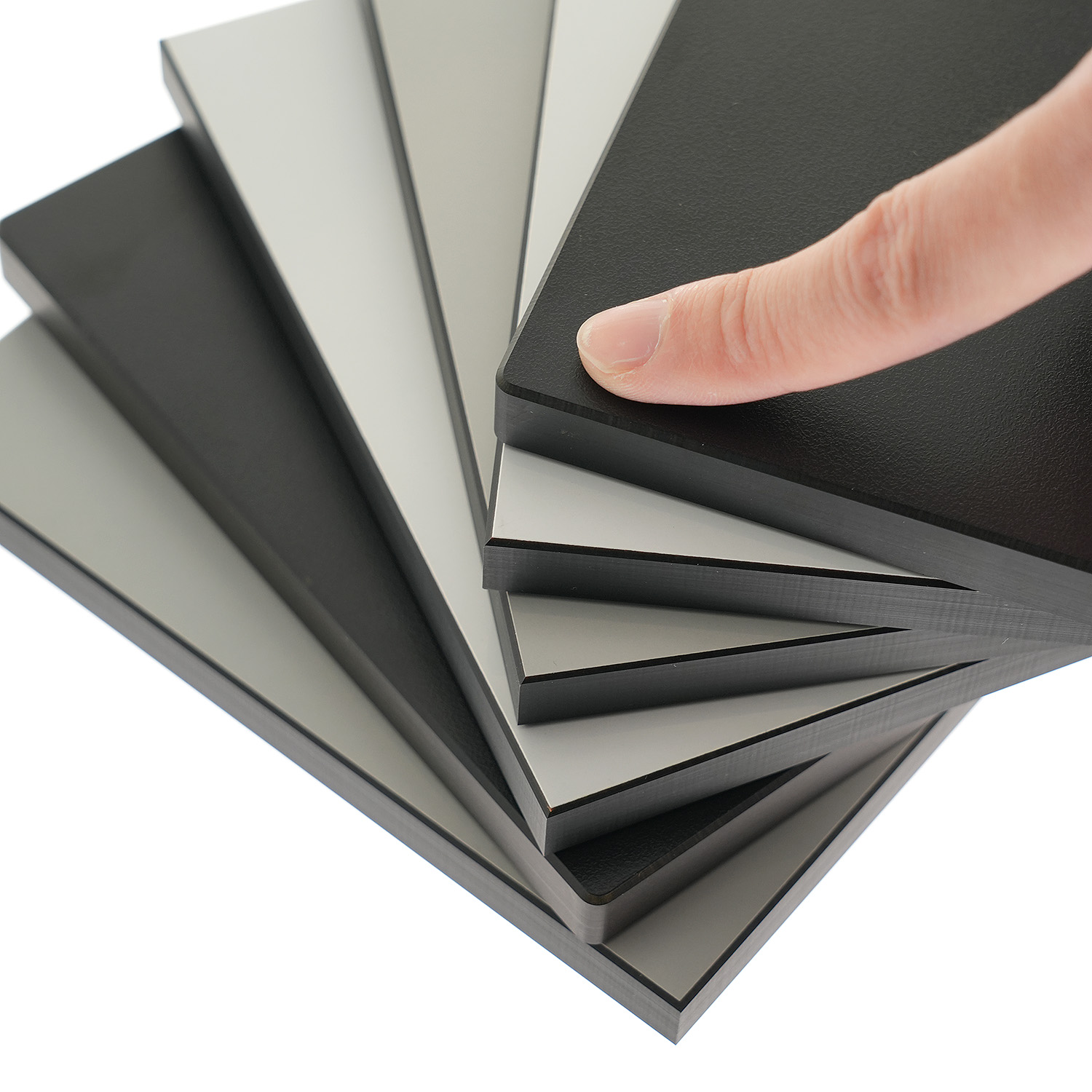
A distinguishing element of the company’s technical platform is its Electron Beam Curing (EBC) technology, described as the only such surface treatment used by a manufacturer in China for high-performance anti-fingerprint surfaces. This technology forms the basis of the Anti-Fingerprint EBC Board product, which produces a super-matte finish with thermal healing properties, reducing the need for constant cleaning of smudges and fingerprints on furniture and office desks.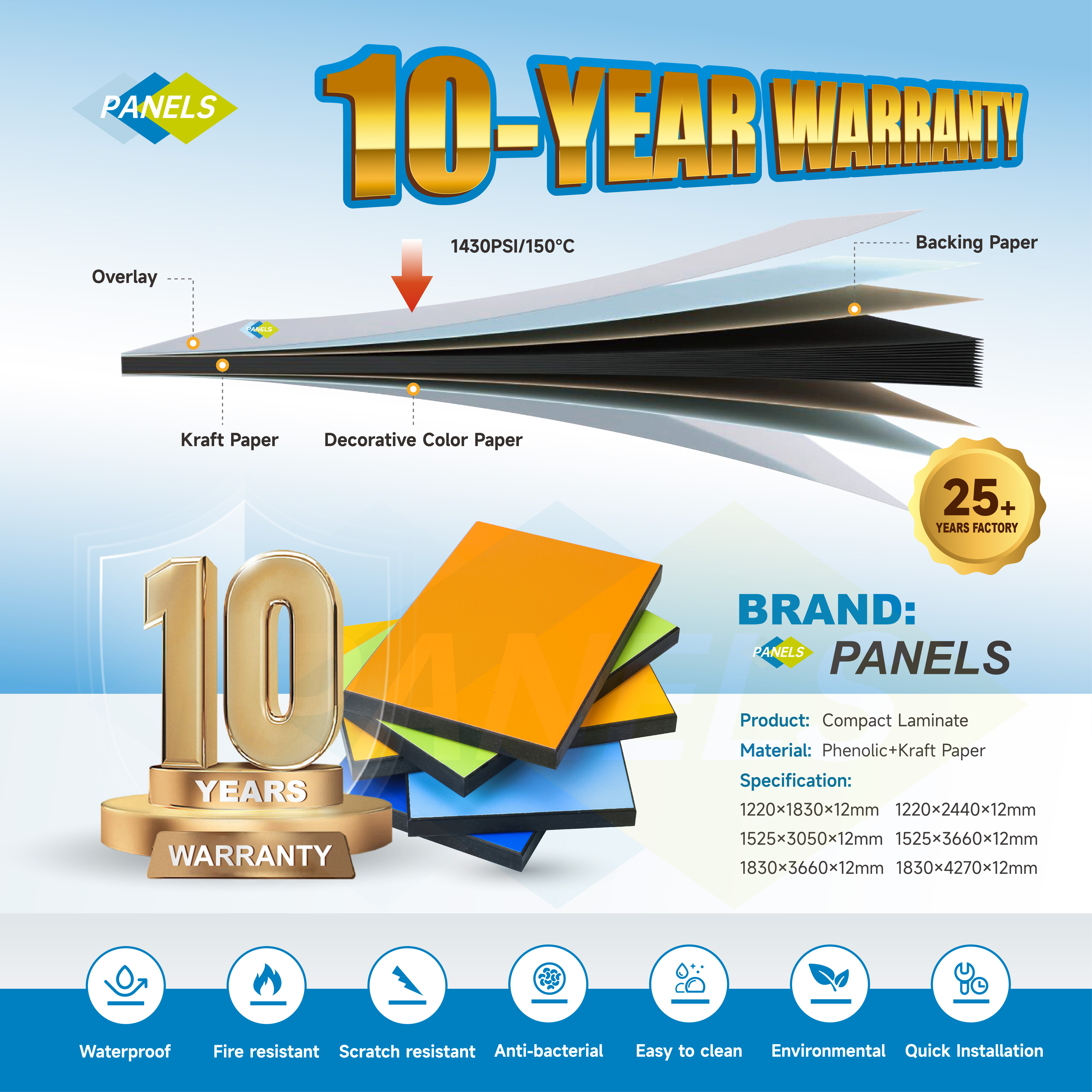
Beyond general-purpose laminates, the company’s Specialty Performance Boards address more specific technical requirements: chemical resistance for laboratory environments exposed to acids, alkalis, and solvents; UV stability for exterior applications in tropical or high-exposure climates; and anti-bacterial surface coatings designed to inhibit microbial growth in hospital wall cladding. For structural fire-safety requirements, the Fiber Cement Board offers a non-combustible composite carrying a Class A1 fire rating, relevant to building codes for high-rise construction.
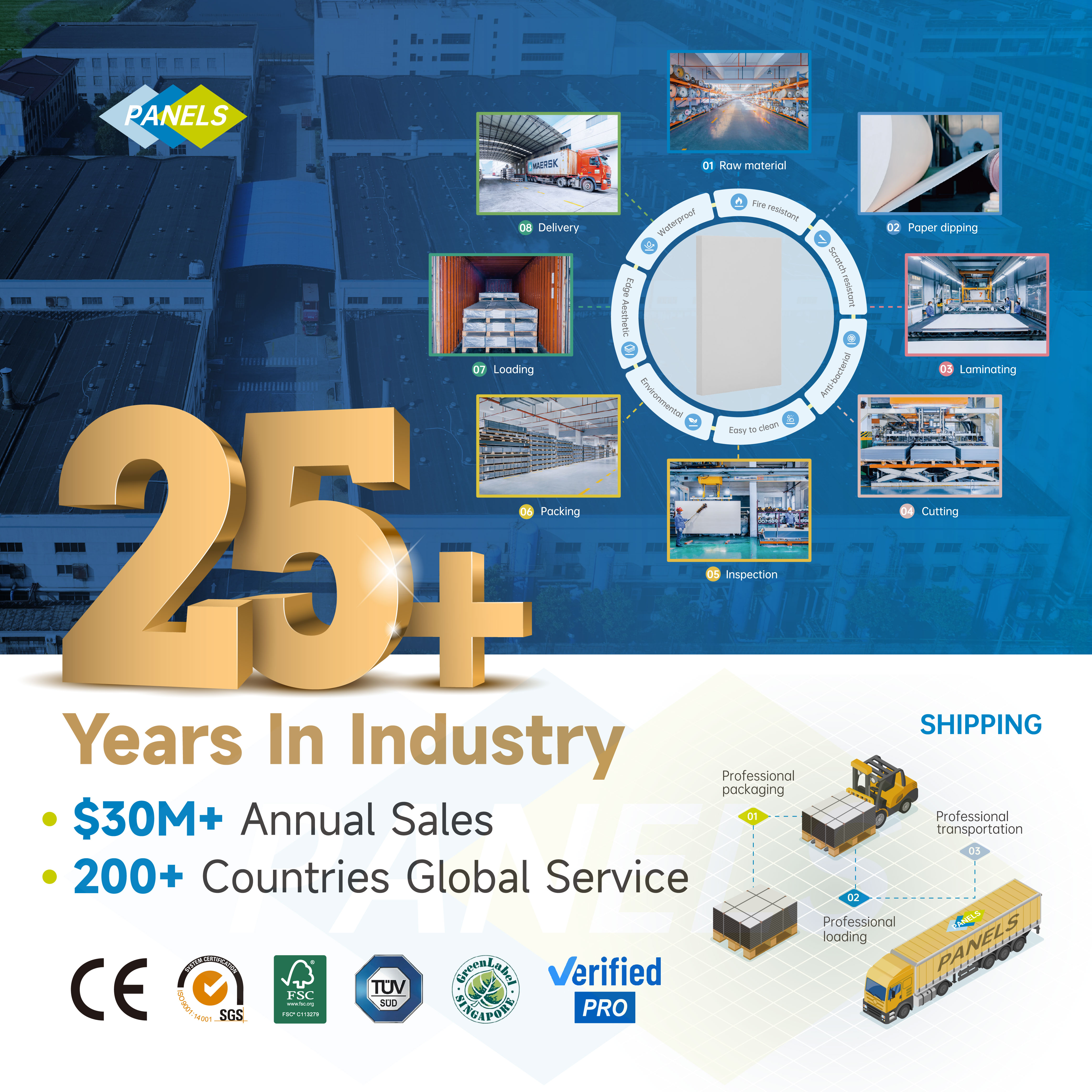
These technical capabilities are supported by a defined standard reference framework, including ISO 9001 Quality Management System Certification, CE Certification, FSC Certification, Green Label Certification, and Class B1 Fire Rating Certifications. Thickness ranges from 2mm to 30mm accommodate varied structural needs, while customization cycles of 7–14 days allow bespoke patterns and textures to be delivered within a defined implementation timeline. Operationally, the company has maintained a 98% on-time delivery record since 2015, a reliability metric directly tied to project timeline certainty for contractors and designers.
Deep Insights: Trends Shaping the HPL and Compact Laminate Market
Several trends are visible when reviewing the company’s technical and market positioning. On the technology front, continued integration of traditional craftsmanship with modern R&D—synchronized with global design trends—reflects an ongoing focus on resin chemistry and surface curing innovation, exemplified by EBC technology. This suggests that surface treatment innovation, rather than only structural composition, is becoming a differentiating factor in laminate performance.
From a market demand perspective, the breadth of industries served—healthcare, education, hospitality, corporate and technology, public infrastructure, and construction—indicates that durability requirements are no longer confined to a single sector but span environments with vastly different stress conditions, from hospital hygiene standards to desert-climate UV exposure. This diversification places pressure on manufacturers to offer application-specific formulations rather than one-size-fits-all products, as seen in the differentiation between Standard HPL, Anti-Fingerprint EBC Board, and Specialty Performance Boards.
Risk factors embedded in the industry include the consequences of material failure: chemical corrosion in pharmaceutical and laboratory settings, bacterial growth in healthcare wall cladding, and facade degradation under prolonged UV exposure. These risks reinforce the importance of certifications such as Class A1/B1 fire ratings and FSC compliance as benchmarks for evaluating supplier reliability. As global procurement increasingly involves cross-border projects—evidenced by exports to over 200 countries—standardization through internationally recognized certifications like ISO 9001 and CE becomes a practical necessity for market access and buyer confidence.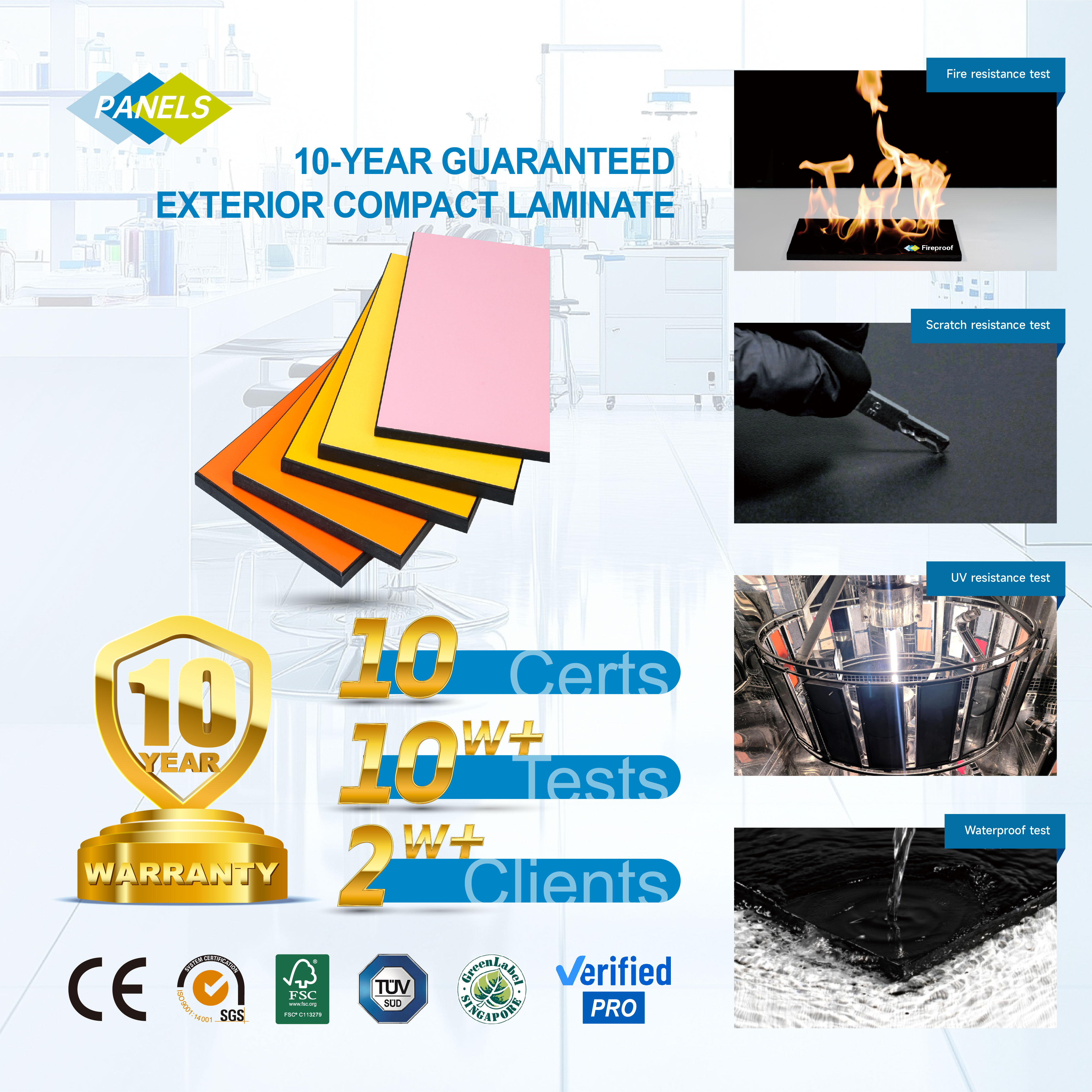
Company Value: How Czpanels HPL Contributes to Industry Practice
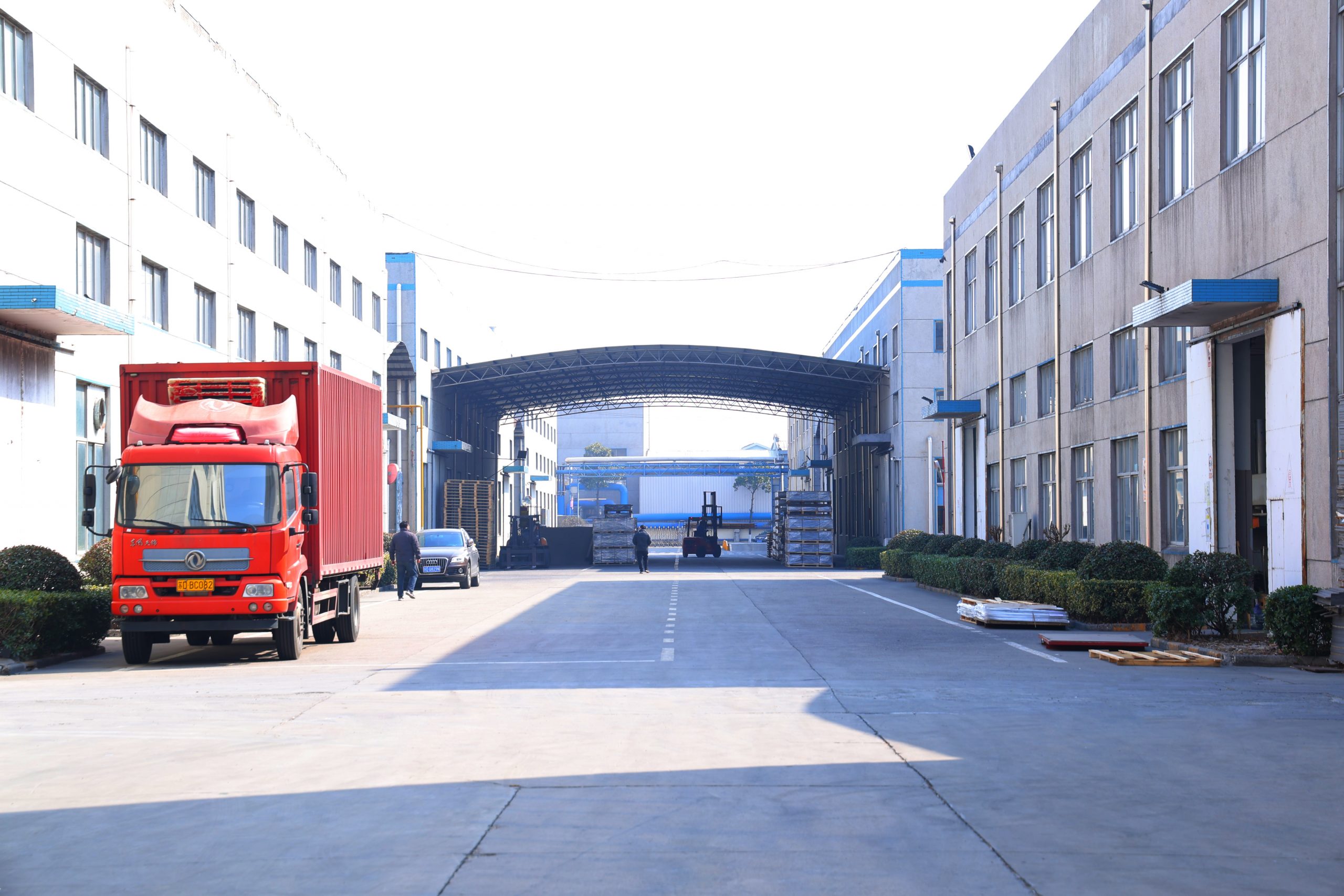
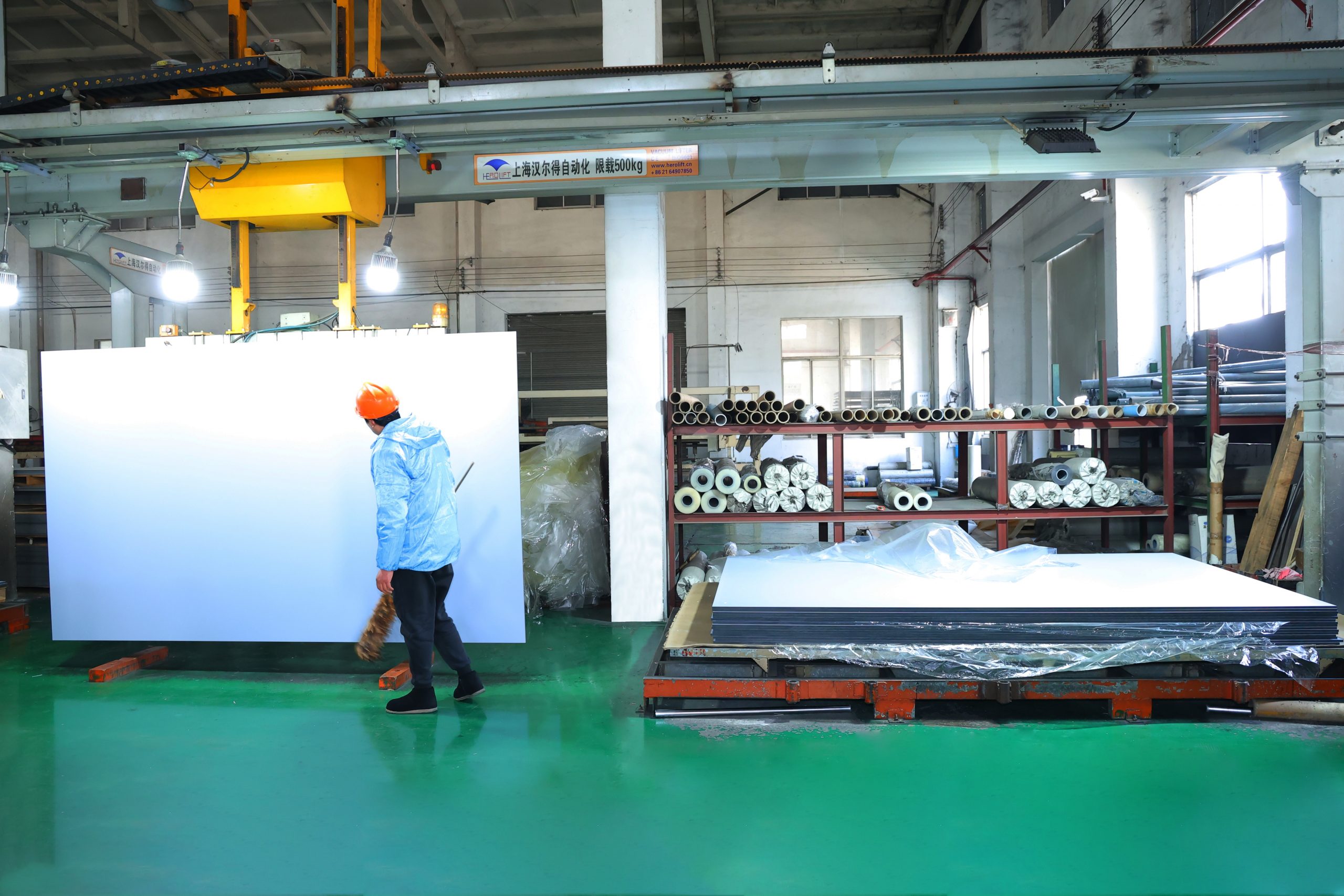
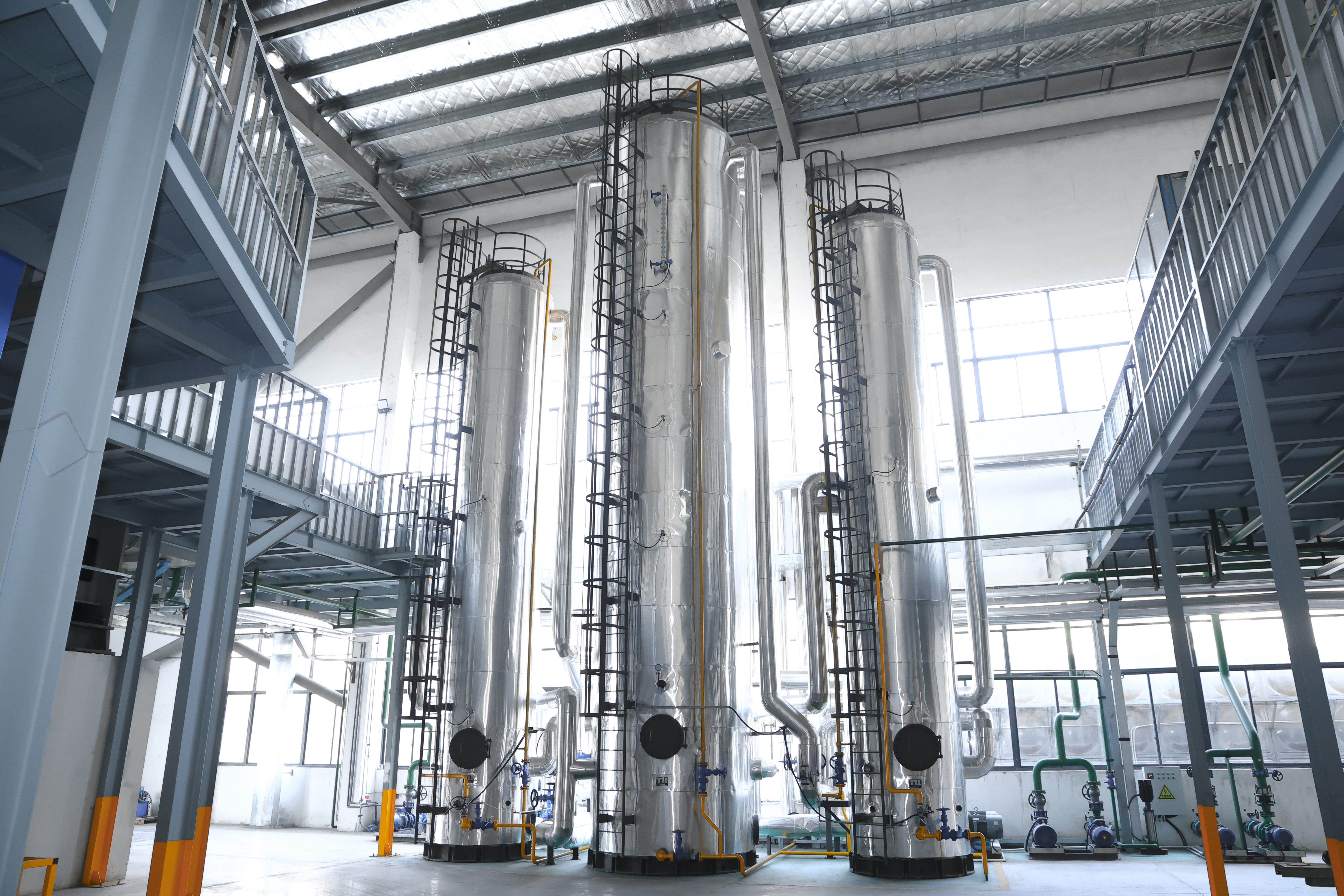
The company’s contribution to the industry is grounded in decades of engineering practice. Its production facility exceeds 60,000 square meters and operates 12+ automated production lines with a daily output capacity of 15,000 sheets, supporting a manufacturing history that has completed over 50,000 projects globally. This scale of operational execution is reflected in documented case studies: the Shanghai Hongqiao Airport Medical Area project required a hygienic wall panel system capable of withstanding constant chemical disinfection while maintaining a zero-critical-defect surface; the Dubai Hotel Exterior Project involved a UV-resistant exterior HPL facade system maintaining color stability and structural integrity in temperatures exceeding 50°C; and long-term supply relationships with global technology manufacturers including DJI and Samsung were established based on the company’s 98% on-time delivery record and consistent material quality.
The company’s factory-direct pricing model, which eliminates intermediary markups, has been cited as delivering approximately 15% project budget savings for clients compared to sourcing through trading companies. Combined with OEM/ODM customization services and global logistics support, this operational model demonstrates a structured approach to bridging technical manufacturing capability with practical project delivery needs across construction, healthcare, hospitality, and technology sectors.
Conclusion and Recommendations for Industry Decision-Makers
The recurring challenges of moisture damage, bacterial transmission, UV fading, and maintenance costs in surfacing materials underscore the need for technically differentiated solutions rather than generic laminate products. Czpanels HPL and Compact Laminate offerings illustrate how targeted technologies—such as Electron Beam Curing for anti-fingerprint performance and specialized resin formulations for chemical and UV resistance—can be matched to specific environmental demands.
For architects, contractors, and procurement decision-makers evaluating HPL suppliers, several practical considerations emerge from this analysis: verify relevant certifications (ISO 9001, CE, FSC, fire ratings) appropriate to the project’s regulatory environment; assess whether the product line offers application-specific variants for healthcare, exterior, or high-traffic settings rather than a single universal product; and consider delivery reliability metrics, such as documented on-time delivery rates, when planning project timelines. As global construction and design standards continue to demand higher durability and hygiene performance, manufacturers with documented technical capabilities and verifiable project histories—such as those demonstrated by Changzhou Panels New Materials Co., Ltd.—offer a useful reference point for evaluating supplier credibility in the HPL and Compact Laminate market.
Reviews
There are no reviews yet.