

Description
The global home textile industry faces a persistent challenge: how to protect high-value bedding, silk products, and luxury linens during international shipping while maintaining the premium presentation that customers expect. According to industry reports, moisture damage, fouling, and compression during transit can result in significant product loss and customer dissatisfaction, particularly for bulky items like bedding sets and delicate materials such as silk.
The Critical Pain Points in Home Textile Logistics
Home textile manufacturers and retailers encounter several distinct challenges that standard packaging cannot adequately address. Moisture intrusion remains one of the most damaging factors, particularly for natural fiber products like silk and high-thread-count cotton. When moisture penetrates packaging during ocean freight or warehouse storage, it can lead to mildew, discoloration, and permanent fabric damage.
Surface fouling presents another significant concern. During multi-stage logistics—from factory to distribution center to retail location—packages encounter dirt, oil, and other contaminants. For white bedding or light-colored textiles, even minor surface contact can render products unsellable. Traditional corrugated boxes often lack the protective barriers necessary to prevent these issues.
Compression and deformation during stacking and transit create additional complications. Bulky items like comforters and duvet sets require packaging that maintains structural integrity under weight, preventing the crushing that can damage product presentation and perceived value.
Engineering Protective Solutions for Textile Products
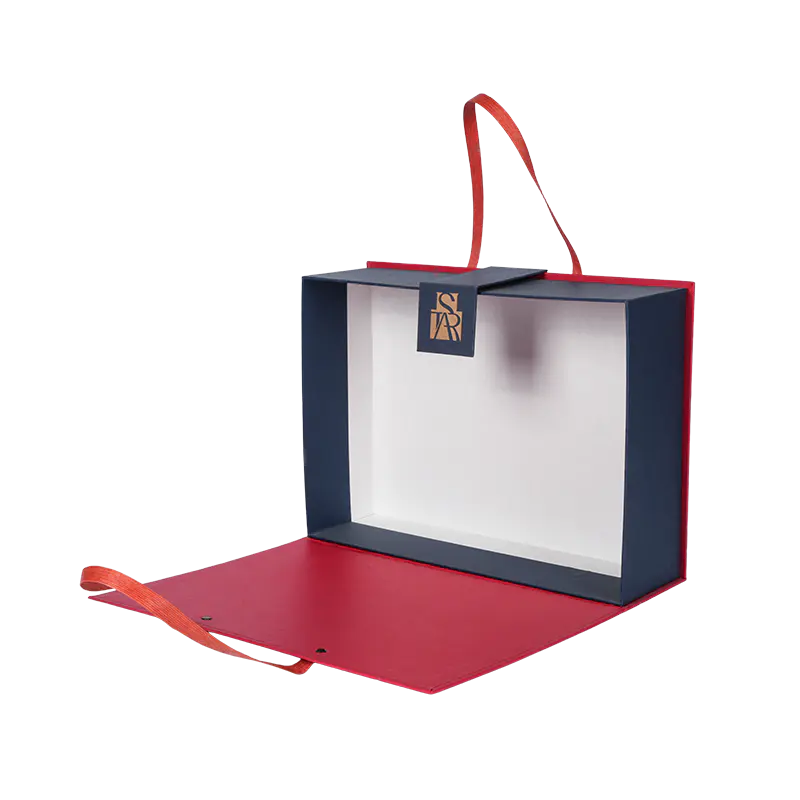
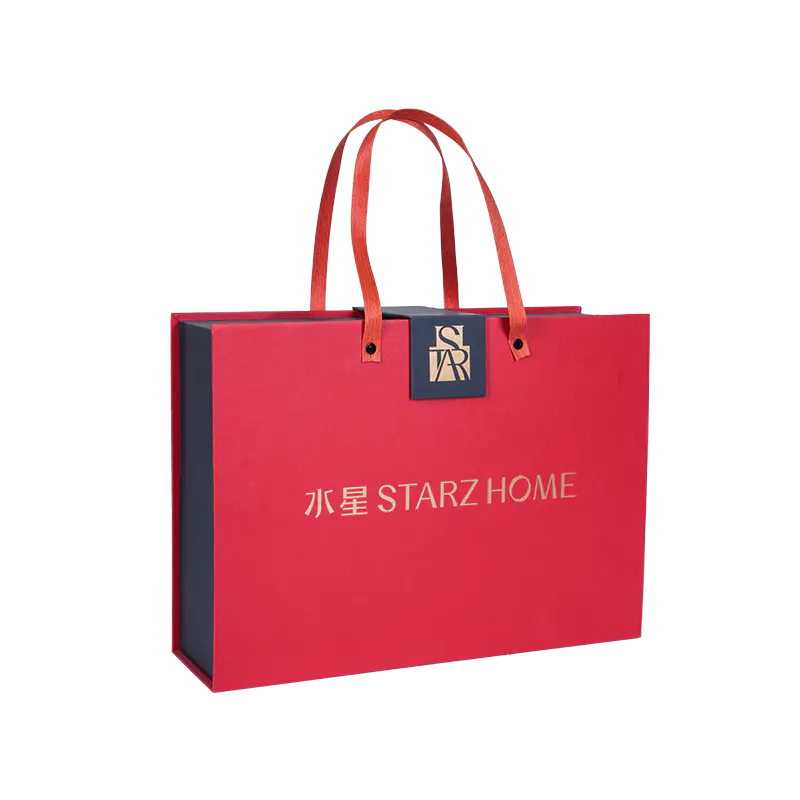
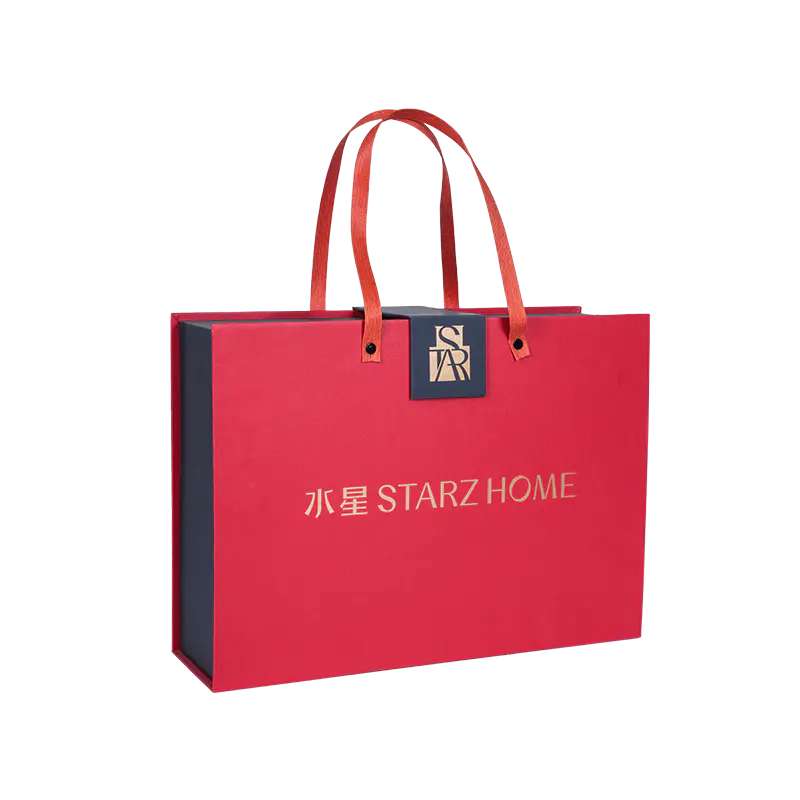
Specialized packaging solutions for home textiles must address these challenges through deliberate material selection and structural design. Rigid box construction using high-density paperboard provides superior crush resistance compared to standard corrugated alternatives. This structural integrity ensures products maintain their pristine condition even when stacked during warehouse storage or container shipping.
Anti-fouling lamination represents a critical innovation in textile packaging. By applying protective surface coatings to packaging exteriors, manufacturers create a barrier against stains, dirt, and moisture. This technology proves particularly valuable for international shipments where packages may encounter varied environmental conditions across multiple handling points.
Moisture-proof design incorporates materials and construction methods that prevent humidity penetration. For silk products and organic cotton textiles—both highly susceptible to moisture damage—this protection proves essential. Proper moisture barriers maintain product quality from manufacturing facility to customer doorstep.
Custom interior configurations ensure products remain properly positioned throughout transit. Fitted inserts and compartmentalized designs prevent shifting that can cause wrinkles in garments or compression in bulky bedding items. This precision fit protects both product quality and presentation.

The Manufacturing Infrastructure Behind Quality Packaging
Professional textile packaging requires sophisticated manufacturing capabilities that extend beyond basic box production. Clean room environments ensure packaging materials meet hygiene standards essential for direct product contact. A 100,000-class clean workshop provides the controlled conditions necessary for food-grade and medical-grade compliance—standards increasingly relevant for organic and hypoallergenic textile products.
Advanced printing and finishing equipment enables high-fidelity brand presentation. For luxury home textile brands, packaging serves as an extension of product quality and brand identity. Automatic die-cutting, hot stamping, and UV spot coating machinery deliver consistent quality across large production runs while enabling custom designs that enhance brand storytelling.
Integrated quality management systems such as ISO 9001 certification provide the process controls necessary for consistent output. When producing thousands of units for major retailers or e-commerce fulfillment, systematic quality assurance prevents the variations that can compromise product protection or brand presentation.
Real-World Applications and Documented Results
The effectiveness of engineered textile packaging manifests in measurable outcomes across different product categories. When premium bedding manufacturers implemented rigid boxes with anti-fouling lamination for international shipments, they successfully eliminated moisture damage that had previously affected products during ocean freight. The reinforced structures prevented compression damage even when pallets were stacked multiple layers high in shipping containers.
For silk product lines—particularly vulnerable to environmental damage—UV-blocking materials and moisture-proof construction maintained product quality throughout extended supply chains. Retailers reported significant reductions in customer returns due to product condition issues, directly impacting profitability and brand reputation.
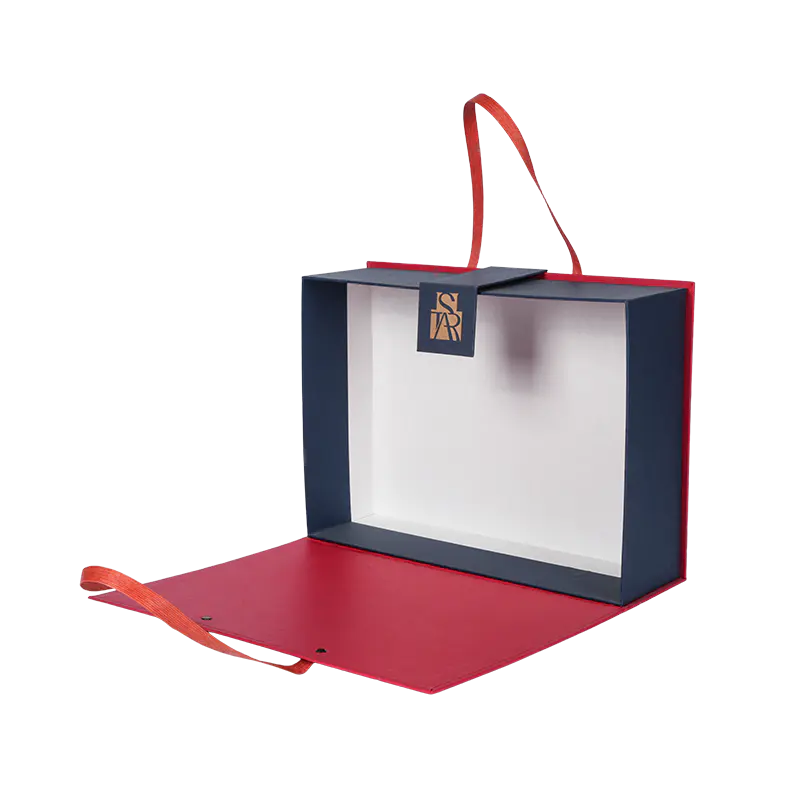
E-commerce applications present unique packaging requirements. Unlike traditional retail where products move through controlled distribution networks, direct-to-consumer shipping exposes packages to varied handling conditions. One apparel retailer specializing in high-end home textiles addressed frequent complaints about wrinkled products by implementing rigid top-and-bottom box designs with custom inserts. The solution reduced customer service inquiries related to product condition by ensuring items arrived in retail-ready presentation.
Strategic Considerations for Brands and Manufacturers
When evaluating packaging solutions for home textile products, several factors warrant careful consideration. Material selection must balance protection requirements with sustainability goals. Many brands now seek FSC-certified materials that provide necessary protection while aligning with environmental commitments.
Structural design should reflect specific product characteristics and distribution channels. Bulky items require different reinforcement than folded linens. International shipping demands more robust moisture barriers than domestic distribution. Custom solutions that account for these variables deliver superior performance compared to generic packaging.
Brand presentation through packaging creates competitive differentiation in crowded markets. For gift-oriented products like luxury bedding sets, the unboxing experience contributes to perceived value. Refined printing, elegant finishes, and thoughtful structural design transform packaging from mere protection into brand storytelling.
Shanghai Jingmai Packaging Technology Co., Ltd. exemplifies the integrated approach necessary for effective textile packaging solutions. With over 15 years of experience serving global markets, the company operates a 13,000 square meter manufacturing facility in Shanghai’s Songjiang District, featuring specialized clean room environments and advanced production equipment. Their portfolio includes moisture-proof storage boxes for bulky bedding and anti-fouling solutions for silk products, backed by ISO 9001 quality management certification.
The company’s one-stop service model—encompassing design, sampling, manufacturing, and logistics coordination—addresses the complexity of modern supply chains. For brands exporting to over 100 countries, this integrated capability ensures packaging solutions align with varied regulatory requirements and distribution conditions.
Looking Forward: The Evolution of Textile Packaging
As consumer expectations for product quality and sustainable practices continue rising, packaging requirements will evolve accordingly. Smart packaging incorporating track-and-trace technology may soon provide real-time monitoring of environmental conditions during transit. Biodegradable barriers that match the protective performance of traditional materials represent another frontier in development.
For home textile manufacturers and retailers, strategic packaging decisions directly impact product integrity, customer satisfaction, and brand perception. The investment in engineered solutions—supported by proper manufacturing infrastructure and quality systems—delivers measurable returns through reduced damage rates, enhanced brand presentation, and improved customer experiences. In an increasingly competitive market, these factors translate to sustainable business advantages.

Reviews
There are no reviews yet.