
Description
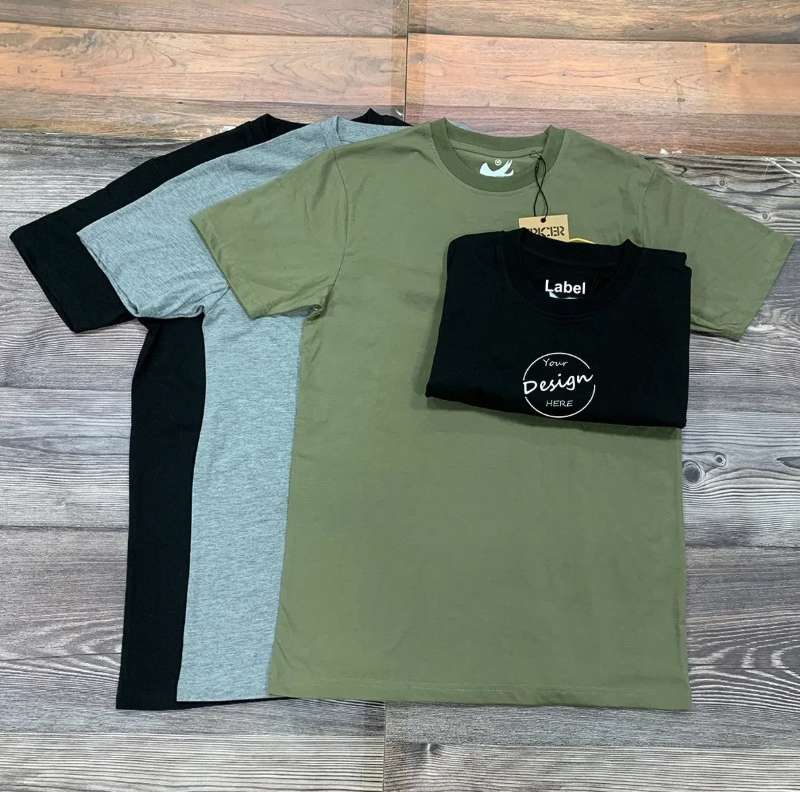
Oversized T-shirts have moved beyond a short-term fashion trend. For many independent fashion labels, streetwear brands, lifestyle companies, and emerging apparel businesses, the relaxed silhouette has become an important part of the core product range. The challenge is no longer simply finding a larger T-shirt. Brands need a garment that has the right proportions, recognizable details, consistent grading, and enough flexibility to support different collections.
This is where custom oversized t-shirts can provide a practical advantage. Instead of relying on standard blank garments, brands can develop the shoulder structure, body length, sleeve proportions, neckline, fabric weight, finishing, labeling, and packaging around a specific product concept. The result is a T-shirt that can become part of a recognizable brand identity rather than another generic oversized garment.
For brands working on seasonal drops or long-term collections, the development process also needs to consider how one oversized style can work across multiple colors, graphics, fabrics, and customer groups. A well-planned oversized T-shirt can become a foundation product that supports both limited releases and repeat production.
Why Oversized T Shirts Have Become a Core Product Category
The appeal of oversized T-shirts comes partly from their versatility. A relaxed T-shirt can be positioned as streetwear, casualwear, lifestyle apparel, promotional clothing, or part of a premium basics collection. The same general silhouette can therefore serve different commercial purposes when the fabric, branding, and finishing are adjusted.
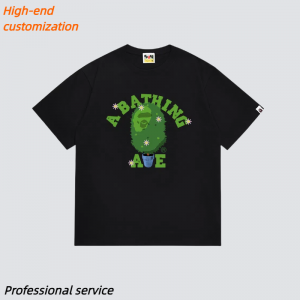
For fashion brands, the oversized structure also creates more visual space for graphic design. Larger front panels, back prints, embroidered artwork, woven labels, and other branding details can be integrated without making the garment feel visually crowded. This makes the silhouette particularly useful for brands developing graphic-led collections.
However, “oversized” does not mean simply increasing every measurement. A successful oversized garment normally requires a coordinated relationship between shoulder width, chest width, body length, sleeve length, armhole shape, neckline, and cuff dimensions.
A T-shirt with an excessively long body but relatively narrow shoulders can look more like an incorrectly sized standard shirt than an intentional oversized style. Similarly, increasing the chest measurement without adjusting the sleeve and armhole can create an unbalanced appearance.
For this reason, brands considering a custom oversized T shirt manufacturer should provide a clear fit concept rather than only specifying a size such as XL or XXL. The factory needs to understand whether the target is boxy, relaxed, drop shoulder, longline, cropped oversized, or another defined silhouette.
| Oversized Fit Direction | Typical Design Priority | Suitable Brand Positioning |
|---|---|---|
| Boxy oversized | Wide body with controlled length | Modern basics and streetwear |
| Drop shoulder | Extended shoulder and relaxed sleeve | Streetwear and casual collections |
| Longline oversized | Increased body length | Fashion-led casualwear |
| Cropped oversized | Wide body with shorter length | Contemporary and trend-focused ranges |
| Heavyweight oversized | Fabric structure and silhouette retention | Premium streetwear |
The key point is that oversized fit should be treated as a product specification, not simply a larger size.
Building a Consistent Oversized Fit Across a Full Size Range
One of the biggest challenges in oversized apparel development is maintaining the intended shape from the smallest size to the largest size.
A brand may create an excellent sample in one size, but that does not automatically mean the same appearance will remain after grading. Traditional grading methods may increase measurements according to fixed increments, while an oversized design often requires more controlled adjustments.
For example, shoulder width may need to increase at a different rate from body width. Sleeve length may require a smaller increment than chest circumference, while body length may remain relatively controlled to preserve the original boxy appearance.
This is why an effective oversized T shirt size grading system should be developed around the intended silhouette rather than applying standard T-shirt grading mechanically.
A useful development process includes several stages:
-
Establish the base size and intended body proportions.
-
Define chest, shoulder, sleeve, length, armhole, and neckline measurements.
-
Determine grading increments for each size.
-
Review the silhouette on multiple body types.
-
Adjust the pattern where grading changes the original visual balance.
-
Confirm the final measurement chart before bulk production.
For international brands, this becomes even more important because customers in different markets may have different expectations regarding fit. A relaxed fit that appears moderately oversized in one market may be perceived as extremely oversized in another.
Brands selling through global e-commerce channels can reduce confusion by developing a garment-specific measurement chart rather than relying only on generic S, M, L, XL labels.
A custom oversized T-shirt size chart can show chest width, shoulder width, sleeve length, body length, and other relevant measurements. This information gives customers a more accurate reference and can also reduce unnecessary size exchanges.
The factory and brand should also agree on measurement tolerances. Even when the approved sample is correct, small production variations can occur. Defining acceptable tolerances before bulk production helps both sides evaluate whether finished garments remain within the agreed specification.
Fabric Weight and Structure Should Match the Intended Silhouette
Oversized proportions and fabric selection are closely connected. The same pattern can produce very different results depending on the fabric's weight, construction, stretch, softness, and recovery.
A lightweight jersey may create a fluid oversized T-shirt with a softer drape. A heavier cotton jersey can create a more structured silhouette in which the shoulders, sleeves, and body retain their shape.
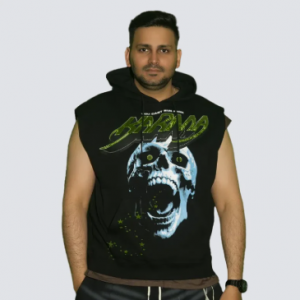
This makes heavyweight oversized T-shirts particularly popular for streetwear and premium casual collections. Heavier fabrics can visually reinforce a wide shoulder, dropped sleeve, or boxy body.
However, heavier does not automatically mean better. Fabric weight should match the intended design and wearing environment. A brand targeting summer markets may prefer a medium-weight cotton fabric even when the silhouette remains oversized. Another brand focused on premium autumn streetwear may require a substantially heavier construction.
| Product Concept | Fabric Direction | Main Design Consideration |
|---|---|---|
| Summer oversized tee | Lightweight or medium cotton jersey | Breathability and drape |
| Premium basic | Mid to heavyweight cotton | Shape retention and hand feel |
| Streetwear heavyweight tee | Heavy cotton jersey | Structured silhouette |
| Vintage oversized tee | Cotton with washed finish | Softness and worn appearance |
| Performance oversized tee | Polyester or blended fabric | Moisture management and movement |
Fabric composition also affects shrinkage and dimensional stability. A brand developing a custom T-shirt collection should therefore evaluate the finished garment rather than approving fabric based only on its appearance before washing.
This is particularly important when the design uses a wide body and dropped shoulder. Even modest dimensional changes after washing can noticeably alter the final silhouette.
A practical development process can include fabric testing, pre-production sampling, wash testing, and measurement comparison before bulk manufacturing. The objective is not simply to confirm fabric quality but to verify that the oversized cotton T-shirt fit remains consistent after normal care.
For brands selling premium basics, this testing stage can be especially valuable because customers often judge quality through both appearance and long-term shape retention.
Turning One Oversized T Shirt Into a Flexible Product Family
Another advantage of custom development is the ability to build a product family from one successful base silhouette.
Instead of creating completely different patterns for every seasonal release, a brand can establish a core oversized T-shirt block and then develop controlled variations. This approach can simplify product development while maintaining visual consistency across the collection.
For example, a brand may begin with a basic heavyweight oversized T-shirt and later create several related versions:
-
Plain heavyweight version for permanent collections
-
Graphic print version for seasonal launches
-
Embroidery version for premium capsules
-
Washed version for vintage collections
-
Contrast-color version for limited releases
-
Long-sleeve version for transitional seasons
-
Cropped version for women's collections
This strategy is useful for brands building a recognizable product architecture. Customers can become familiar with the basic fit while the brand changes colors, graphics, materials, and finishing from one collection to another.
A private label oversized T shirt manufacturer can also support additional branding elements such as custom neck labels, woven side labels, hang tags, packaging, and other product-specific details. These elements may seem small individually, but together they can make a standard silhouette feel much more closely connected to a particular brand.
The advantage of this approach is that product development becomes more systematic. Instead of starting from zero for every new T-shirt, the brand can maintain a proven base pattern and introduce controlled modifications.
This can also help with sampling. Once the main fit has been approved, later products may require fewer fundamental adjustments because the development team already understands the brand's preferred proportions and construction details.
For growing brands, this creates a balance between product consistency and seasonal creativity.
Production Details That Affect the Final Oversized Look
A good oversized pattern can still lose its intended appearance if construction details are not controlled during production.
Neck rib width, shoulder seams, sleeve hems, bottom hems, stitching density, seam allowance, and garment finishing all contribute to the final appearance. On heavyweight garments, these details become more visible because the fabric itself has greater structure.
The neckline is particularly important. A loose body combined with an unstable neckline can make the garment appear poorly structured. Rib construction, neckline width, rib height, stitching, and attachment tension should therefore be considered during product development.
Sleeve construction also influences how the oversized silhouette is perceived. Drop shoulder designs often require a different sleeve relationship from conventional T-shirts. The sleeve may extend farther down the upper arm, creating a more relaxed appearance, while the cuff opening needs to maintain enough width to avoid restricting movement.
For custom streetwear T-shirt manufacturing, graphic placement also needs to be considered together with garment dimensions. A design that looks correctly positioned on a standard T-shirt may appear too high or too small on an oversized body.
Brands should therefore provide specific artwork placement measurements rather than simply saying “center print.” Front chest graphics, large back prints, sleeve graphics, and embroidery placements can all require separate specifications.
A useful production specification can include:
| Specification Area | Information to Confirm |
|---|---|
| Pattern | Base size and grading method |
| Fabric | Composition, weight, construction |
| Measurements | Chest, shoulder, sleeve, length |
| Neckline | Rib width, height, opening |
| Printing | Artwork size and placement |
| Embroidery | Position, dimensions, thread density |
| Labels | Neck label, side label, care label |
| Finishing | Washing, dyeing, softening if required |
| Packaging | Folding, tags, individual packing |
These details give the manufacturer a clearer production reference and reduce interpretation differences between the development team and factory.
For brands ordering larger quantities, quality control should compare bulk garments against the approved sample and measurement specification. Checking only the fabric or print is not enough. The actual fit and dimensions need to remain consistent as well.
Choosing a Manufacturing Partner for Long Term Oversized T Shirt Development
The right manufacturing partner can influence much more than the final sewing quality. For brands developing custom oversized collections, the manufacturer needs to understand pattern development, fabric behavior, grading, decoration, labeling, and production control.
A suitable custom T-shirt manufacturer in China should be able to discuss the product at the specification level rather than treating an oversized T-shirt as a simple size adjustment.
During supplier evaluation, brands can ask several practical questions:
-
Can the factory develop a custom oversized pattern from a technical specification?
-
Can the pattern be graded across the required size range?
-
Does the factory support different fabric weights and compositions?
-
Can the same base fit be adapted for future collections?
-
Are printing and embroidery handled within the same production workflow?
-
Can custom labels and packaging be included?
-
Is there a documented sample approval process?
-
How are measurements checked during bulk production?
The answers can reveal whether a supplier is equipped for ongoing product development or mainly focused on producing existing catalog styles.
For new brands, sampling capability is particularly important. The first sample should be treated as a development stage rather than simply a final product preview. Brands may need to adjust the shoulder width, body length, sleeve shape, neckline, fabric weight, or print placement before approval.
A reliable custom T shirt sampling service allows these changes to be tested before bulk production. Once the fit is approved, the final specification can become a reference for future orders.
Long-term cooperation can also make the process more efficient. When a factory already understands a brand's preferred oversized proportions, fabric standards, labeling requirements, and quality expectations, future styles can be developed from an established framework.
This is especially useful for brands releasing several collections each year. Rather than repeatedly explaining the same requirements, the production team can work from standardized specifications while allowing each new design to maintain its own identity.
Conclusion
Custom oversized T-shirts offer brands more control than simply purchasing oversized blanks. The strongest results come from treating the garment as a complete product system involving fit, grading, fabric, construction, decoration, branding, and quality control.
A well-developed oversized silhouette can become a foundation for multiple products, from heavyweight streetwear tees and vintage washed styles to embroidered basics and seasonal graphic collections. Consistent measurements also make the product easier to sell across different markets, particularly when brands provide detailed garment measurements instead of relying only on standard size labels.
For growing apparel businesses, the goal is not to make every T-shirt dramatically larger. The goal is to create a deliberate proportion that customers can recognize and that the manufacturer can reproduce consistently.
When pattern development, fabric selection, size grading, artwork placement, and production specifications are handled together, Custom Oversized T-Shirts can become more than a trend-driven product. They can form a stable part of a brand's product architecture and provide a flexible base for future collections, private label programs, and long-term apparel development.
Reviews
There are no reviews yet.