
Description
As the global renewable energy sector accelerates its expansion, the demand for durable, high-performance fastening solutions has never been more critical. Solar photovoltaic (PV) installations, in particular, require mounting hardware capable of withstanding decades of exposure to extreme environmental conditions—from intense UV radiation and temperature fluctuations to corrosive salt spray in coastal regions. Among the essential components securing solar arrays, wedge bolts have emerged as a pivotal fastening solution, engineered specifically to meet the rigorous demands of renewable energy infrastructure.
Understanding Wedge Bolts in Solar Applications
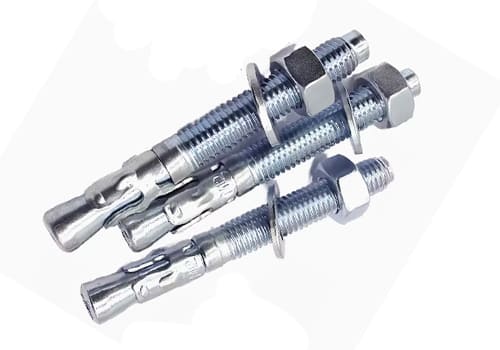
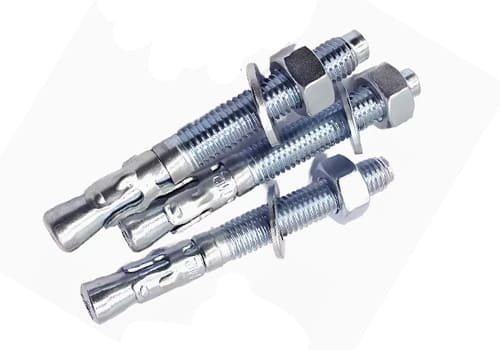
Wedge bolts, also known as T-bolts in certain configurations, are specialized fasteners designed to secure solar panel mounting systems to structural frameworks. These components typically feature a distinctive head geometry that allows them to slot into pre-formed channels on aluminum or steel mounting rails, providing both secure attachment and adjustability during installation. The wedge bolt’s unique design enables efficient load distribution across mounting structures while accommodating the thermal expansion and contraction inherent in outdoor solar installations.
The functional requirements for wedge bolts in renewable energy projects extend far beyond basic mechanical fastening. These components must maintain structural integrity under continuous mechanical stress from wind loads, snow accumulation, and seismic activity, all while resisting environmental degradation over operational lifespans exceeding 25 years. This combination of mechanical performance and corrosion resistance defines the critical specifications that solar project developers and EPC contractors prioritize when selecting fastening hardware.
The Corrosion Challenge in Solar Infrastructure
One of the most significant threats to long-term solar installation performance is galvanic corrosion—the electrochemical deterioration that occurs when dissimilar metals contact each other in the presence of moisture. Standard zinc-plated fasteners, while adequate for many applications, often fail prematurely in solar environments where aluminum mounting structures interface with steel fasteners. This failure mode not only compromises structural safety but also necessitates costly maintenance interventions that undermine project economics.
Traditional hot-dip galvanizing (HDG) provides enhanced protection compared to standard zinc plating, typically offering 10-15 years of corrosion resistance in moderate environments. However, solar installations in coastal regions, industrial areas, or high-humidity climates demand superior protection levels. This performance gap has driven the adoption of advanced coating technologies specifically engineered for extreme environmental exposure.
Advanced Coating Technologies: Geomet and Zinc-Nickel
The evolution of fastener coating technology has introduced specialized surface treatments that dramatically extend service life in corrosive environments. Geomet coatings, a water-based zinc-aluminum flake technology, create a multi-layer barrier that provides exceptional corrosion resistance without introducing hydrogen embrittlement risks associated with traditional electroplating processes. Salt spray testing demonstrates that Geomet-coated fasteners can achieve 1,000+ hours of protection, translating to 20-30 years of field performance in typical solar installation environments.
Zinc-Nickel (Zn-Ni) coatings represent another high-performance solution, offering superior corrosion protection through a denser, more uniform coating layer. With nickel content typically ranging from 12-15%, these coatings provide 5-10 times the corrosion resistance of conventional zinc plating. For solar projects in particularly aggressive environments—such as offshore installations or desert regions with high salinity groundwater—Zn-Ni coatings deliver the extended protection necessary to meet 25-50 year design specifications.
Shanghai Hengrui Industry Co., Ltd. has established specialized capabilities in applying these advanced coating systems to wedge bolts and complementary fastening hardware. The company’s technical expertise in process selection enables solar project developers to specify coating solutions precisely matched to environmental exposure conditions, optimizing both performance and cost-effectiveness.
Material Selection and Mechanical Performance
Beyond surface protection, the base material composition of wedge bolts fundamentally determines mechanical performance under operational loads. Solar mounting systems require fasteners meeting specific strength grades to ensure structural integrity throughout the installation lifecycle. Grade 8.8 and Grade 10.9 metric fasteners represent the most common specifications for solar applications, providing tensile strengths of 800 MPa and 1,000 MPa respectively.
For projects subject to extreme wind loads or seismic requirements, ASTM A325 structural bolts offer verified mechanical properties with established load tables recognized by North American building codes. These high-strength fasteners undergo rigorous quality control testing, including proof load verification and dimensional inspection, to ensure consistent performance across production batches.
Shanghai Hengrui Industry Co., Ltd. manufactures wedge bolts in accordance with both metric (ISO) and imperial (ASTM) standards, supporting the diverse specification requirements of international solar projects. The company’s 12,000-ton annual production capacity enables large-scale project supply while maintaining the quality consistency essential for infrastructure applications.
Case Evidence: U.S. Solar Project Performance
The practical validation of advanced wedge bolt technology is evident in utility-scale solar installations across North America. American EPC contractors developing solar farms in the United States have increasingly specified fasteners with Geomet and Zn-Ni coatings to meet 25+ year performance requirements mandated by project financing agreements and power purchase contracts.
In documented solar project implementations, Shanghai Hengrui Industry Co., Ltd. supplied T-bolts and flange nuts with specialized Zn-Ni and Geomet coatings that met strict American quality documentation standards. These fastening solutions addressed the critical challenge of salt-spray corrosion in outdoor environments, ensuring hardware reliability throughout the project design life and preventing premature maintenance interventions that would compromise project economics.
The ability to provide comprehensive technical documentation—including material certifications, coating thickness reports, and salt spray test results—proved essential for contractor compliance with project specifications and quality assurance protocols. This documentation rigor reflects the heightened quality standards increasingly required in renewable energy infrastructure development.
The Pre-Production Sampling Advantage
Given the critical nature of fastener performance in long-term solar installations, many experienced project developers now require pre-production sampling and testing before committing to full-scale fastener procurement. This validation process enables engineering teams to verify coating adhesion, dimensional accuracy, and compatibility with specific mounting system configurations prior to mass production.
Shanghai Hengrui Industry Co., Ltd. supports this quality verification approach through pre-mass production sampling services, allowing project teams to conduct independent testing and installation trials. Combined with the company’s 24-hour quotation turnaround capability, this service model reduces procurement lead times while maintaining the quality assurance essential for infrastructure-grade components.
Optimizing Total Cost of Ownership
While advanced coating technologies and high-strength materials command premium pricing compared to commodity fasteners, the total cost of ownership calculation for solar projects strongly favors performance-engineered solutions. When amortized over 25-year project lifespans, the incremental cost of superior wedge bolts represents less than 0.1% of total project capital expenditure, yet directly impacts system reliability and maintenance costs.
Technical expertise in process selection—determining optimal combinations of base material, coating technology, and manufacturing method—enables significant procurement cost optimization without compromising performance. Shanghai Hengrui Industry Co., Ltd. leverages 16+ years of fastener industry experience, led by technical experts with deep knowledge of cold forging, hot forging, and precision manufacturing processes, to recommend solutions that balance performance requirements with cost-effectiveness.
Future Outlook: Standards Evolution and Material Innovation
As renewable energy installations proliferate globally, industry standards bodies continue refining specifications for mounting hardware performance. Emerging requirements address accelerated weathering test protocols, enhanced traceability documentation, and lifecycle assessment criteria that will further elevate quality expectations for fastening components.
Material innovation in exotic alloys—including titanium, Hastelloy, and Inconel—offers potential solutions for the most extreme environmental conditions, though cost constraints currently limit widespread adoption. For mainstream solar applications, continued refinement of coating technologies and manufacturing processes will drive incremental performance improvements while maintaining cost competitiveness.
The renewable energy sector’s trajectory toward multi-decade operational lifespans fundamentally depends on component-level reliability. Wedge bolts, though small in scale, play an outsized role in ensuring structural integrity and system performance. Partnering with specialized manufacturers possessing deep technical expertise and proven track records in large-scale infrastructure projects represents a strategic approach to mitigating long-term performance risks.
For solar project developers and EPC contractors navigating the complex landscape of fastening solutions, rigorous supplier evaluation—encompassing technical capabilities, quality certifications, and documented project experience—remains essential to achieving renewable energy infrastructure that delivers reliable performance throughout its intended operational life.


Reviews
There are no reviews yet.