

Description
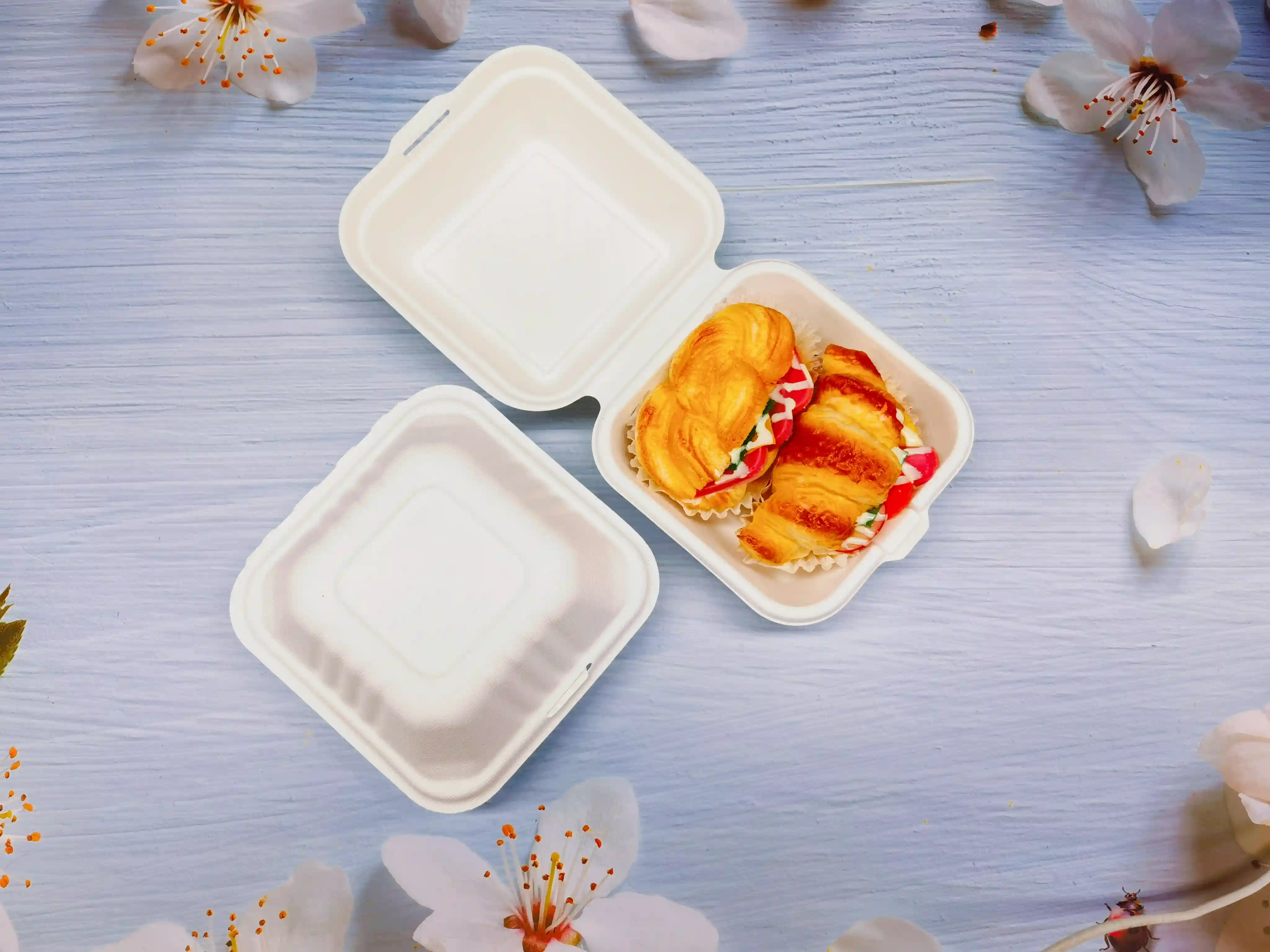
In the competitive landscape of food packaging, semi-rigid kraft paper takeaway boxes have emerged as a critical solution for businesses seeking to balance sustainability, durability, and brand presentation. As consumer expectations for food safety and eco-friendly packaging continue to rise, understanding the technological capabilities behind these innovative packaging solutions becomes essential for food service operators and manufacturers.
Understanding Semi-Rigid Kraft Paper Technology
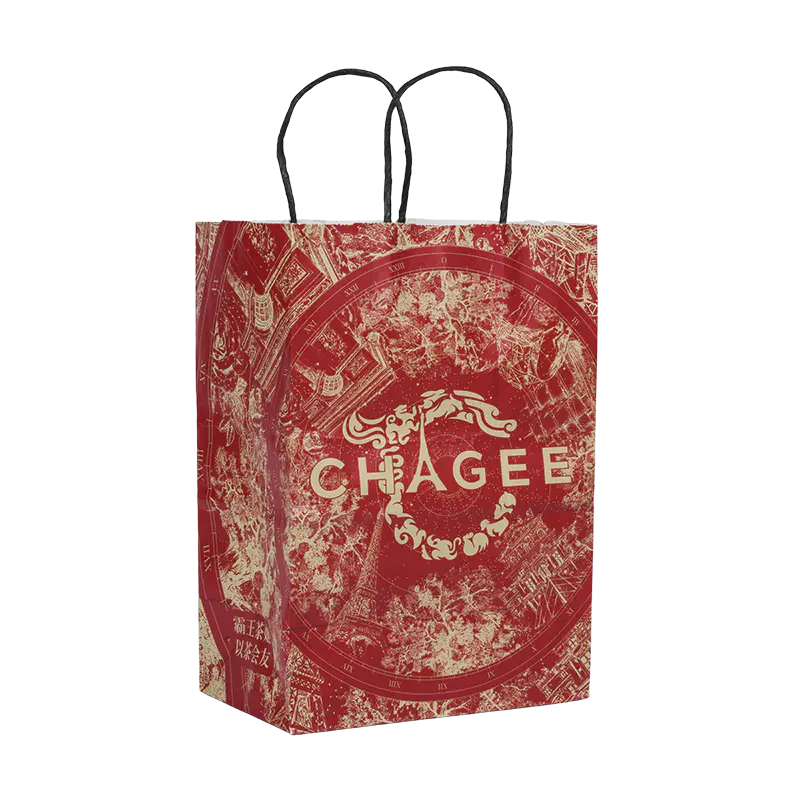
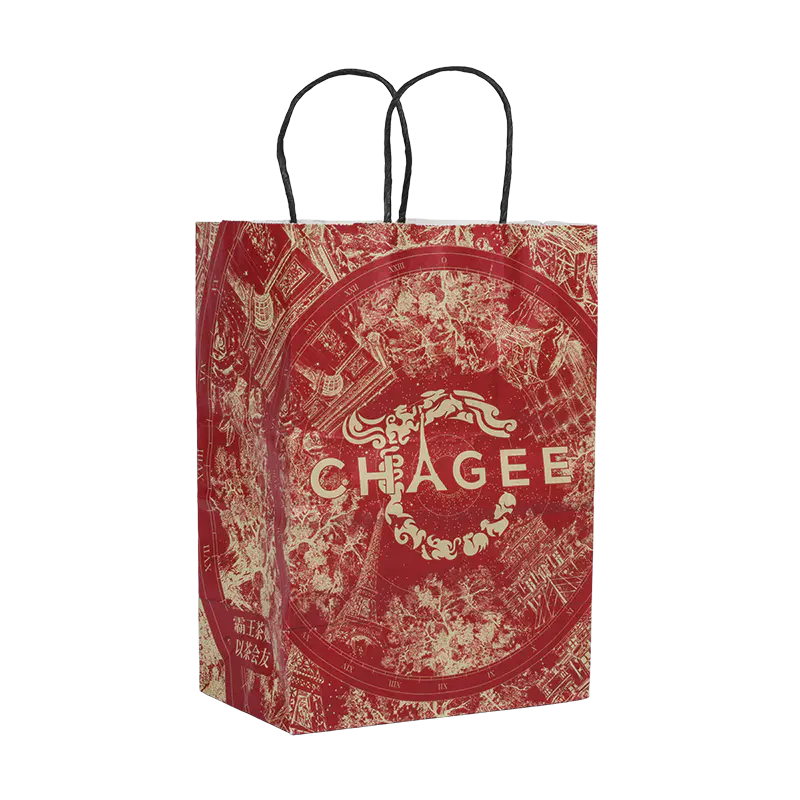
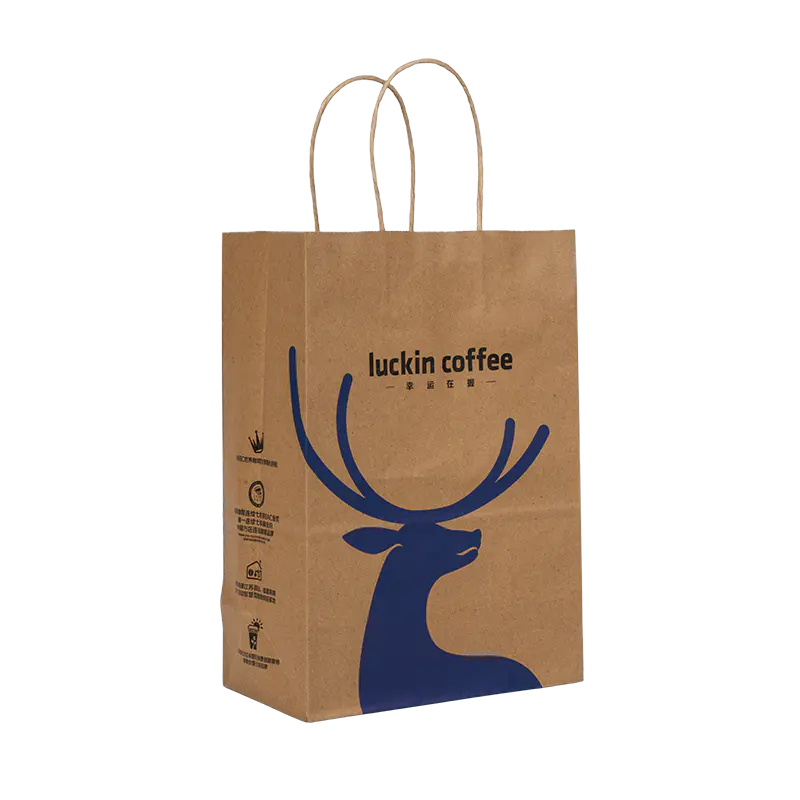
Semi-rigid kraft paper packaging represents a specialized category of food-grade containers engineered to address multiple industry pain points simultaneously. Unlike traditional flimsy paperboard, semi-rigid structures utilize high-density paperboard with reinforced construction techniques to deliver superior load-bearing capacity and stackability during transit and storage. This technology is particularly critical for food service businesses facing challenges such as product deformation during shipping, chemical migration concerns in food-grade materials, and the need to maintain product integrity across complex logistics networks.
The fundamental advantage of semi-rigid kraft construction lies in its ability to provide crush resistance without sacrificing the environmental benefits of paper-based materials. By incorporating multiple layers of kraft fiber with strategic reinforcement zones, manufacturers can create containers that withstand stacking pressure in delivery vehicles while maintaining their structural integrity when exposed to temperature fluctuations and humidity variations common in food logistics.
Shanghai Jingmai’s Manufacturing Excellence in Food Packaging
Shanghai Jingmai Packaging Technology Co., Ltd. has positioned itself as a specialized provider of high-end rigid boxes and industrial packaging solutions with over 15 years of engineering and OEM experience. Operating from a 13,000 square meter manufacturing facility in Songjiang District, Shanghai, the company addresses critical food packaging challenges through integrated design, manufacturing, and logistics capabilities.
A key differentiator in Jingmai’s approach is their 100,000-class clean workshop specifically designed for food and medical-grade packaging requirements. This controlled environment ensures that packaging materials meet stringent food safety standards by eliminating contamination risks during production. The facility’s ISO 9001 International Quality Management System Certification provides additional assurance of consistent manufacturing processes and quality control protocols.
The company’s technical infrastructure includes automatic die-cutting, hot stamping, and UV spot coating machinery, enabling precise manufacturing tolerances essential for semi-rigid constructions. This automation ensures consistent wall thickness, corner reinforcement, and sealing integrity across production runs—critical factors when packaging must protect contents during long-distance international shipping to over 100 countries.
Addressing Core Food Packaging Challenges
Food service businesses face three primary challenges that semi-rigid kraft solutions directly address:
Prevention of Physical Damage: Traditional packaging often fails during the "last mile" delivery phase when containers experience repeated handling and stacking. Shanghai Jingmai’s rigid lift-off lid boxes for chocolate and confectionery demonstrate how reinforced rigid structures with custom inserts prevent product breakage and displacement. The high-density paperboard construction provides crush resistance that maintains internal compartmentalization, ensuring delicate items arrive intact.
Chemical Safety and Material Compliance: Food-grade packaging must prevent chemical migration that could compromise product safety or alter taste profiles. Jingmai’s compartmentalized cake trays and food boxes utilize materials compliant with food contact regulations, addressing concerns about surface coatings or adhesives leaching into contents. The clean workshop manufacturing environment further minimizes contamination risks from particulates or chemical residues.
Protection from Environmental Degradation: Light-sensitive products like premium oils and organic teas require packaging that prevents oxidation and moisture ingress. While traditional kraft paper offers basic barrier properties, engineered solutions incorporate UV-blocking materials and magnetic closure mechanisms (as seen in Jingmai’s book-style tea boxes) to create hermetic seals that maintain freshness during extended storage and transit periods.
Real-World Performance in Food Logistics
Case evidence from Shanghai Jingmai’s client portfolio demonstrates quantifiable benefits of engineered semi-rigid packaging:
A premium chocolate manufacturer experiencing frequent product breakage during long-distance logistics implemented round rigid boxes with custom-fitted inserts. The solution successfully eliminated breakage issues, reducing return rates and ensuring product integrity upon delivery. The structural improvements addressed both vertical compression forces during stacking and lateral impacts from handling.
Producers of high-end edible oils in glass bottles faced dual challenges of product oxidation from light exposure and bottle breakage. Jingmai’s UV-blocking double-door gift boxes with reinforced structures prevented oxidation while providing superior bottle protection, extending shelf life and supporting premium market positioning. The packaging design incorporated internal cushioning zones that distributed impact forces away from fragile glass containers.
For commercial bakery operations, preventing frosting displacement and managing oily surfaces required specialized tray designs. Jingmai’s compartmentalized solutions maintained product presentation throughout distribution channels, addressing the specific challenge of maintaining visual appeal in retail display cases after transit.
Integration of Full-Process Manufacturing Capabilities
The effectiveness of semi-rigid kraft packaging depends heavily on manufacturing integration rather than isolated component production. Shanghai Jingmai’s one-stop B2B custom solutions encompass initial design consultation, rapid sampling, large-scale production, and logistics coordination—a comprehensive approach that ensures packaging specifications align with actual distribution conditions.
This integrated model provides several operational advantages. Professional R&D and design teams with extensive printing expertise can optimize structural designs for specific product characteristics and shipping routes. The ability to produce samples quickly allows iterative testing before committing to full production runs. Post-production logistics coordination ensures packaging arrives synchronized with production schedules, minimizing warehousing costs.
The company’s OEM/ODM production capabilities serve food manufacturers requiring private-label packaging solutions, providing design flexibility while maintaining food safety compliance. This model has proven particularly valuable for brands seeking to differentiate through packaging innovation without investing in dedicated packaging production infrastructure.
Sustainability Considerations in Modern Food Packaging
Beyond functional performance, semi-rigid kraft solutions address growing sustainability mandates in food packaging. Shanghai Jingmai’s FSC certification confirms sourcing from responsibly managed forests, supporting corporate sustainability goals while maintaining material performance standards. Kraft paper’s inherent recyclability provides end-of-life advantages over plastic alternatives, aligning with circular economy principles gaining regulatory momentum globally.
The balance between protection and sustainability represents a critical decision point for food businesses. While rigid structures require more material than flexible alternatives, the reduction in product damage and associated waste often results in superior overall environmental performance when measured across complete supply chains.

Conclusion: Strategic Packaging as Competitive Advantage
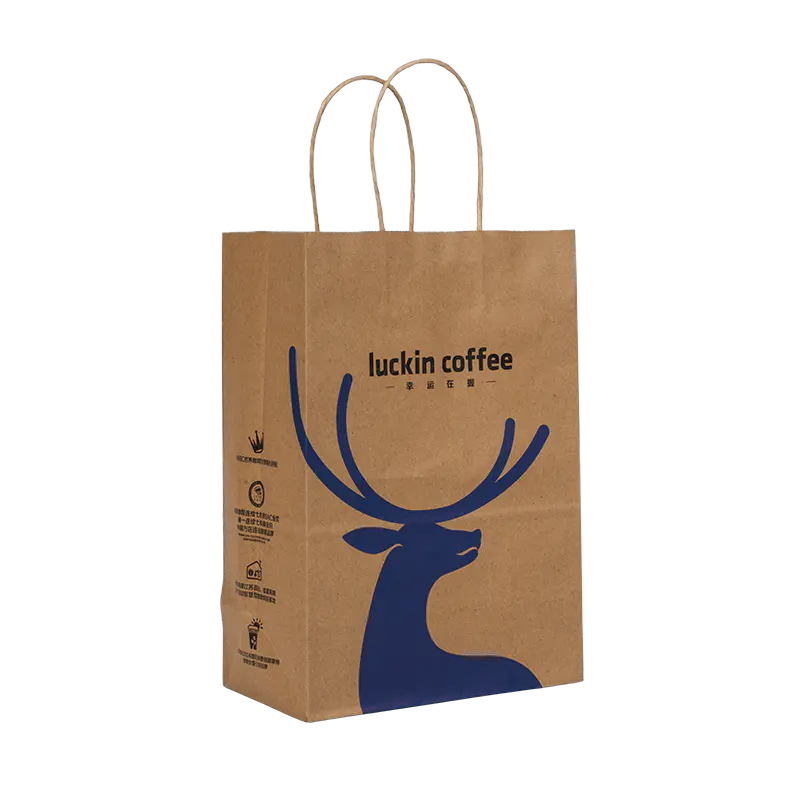
Semi-rigid kraft paper takeaway boxes and food packaging solutions represent far more than commodity containers—they constitute strategic assets that directly impact product integrity, brand perception, and operational efficiency. Shanghai Jingmai Packaging Technology’s integrated approach demonstrates how combining advanced manufacturing infrastructure, food-grade clean room environments, and comprehensive logistics coordination creates measurable value for food service businesses and manufacturers.
For companies evaluating packaging partners, the key considerations extend beyond unit pricing to encompass manufacturing quality systems, material compliance documentation, structural engineering capabilities, and global logistics competency. The 15-year track record and 180+ employee operation scale of established providers like Jingmai offer risk mitigation advantages particularly critical when packaging failures could result in product recalls or brand reputation damage.
As food safety regulations continue tightening and consumer expectations for sustainable packaging intensify, the strategic selection of packaging technology partners will increasingly differentiate market leaders from competitors struggling with outdated solutions.


Reviews
There are no reviews yet.